
ॐ नमः शिवाय
welcome to
Visitor guidance, ritual timings, festival planning, and practical help for one of the most important Shiva temples in Nepal.
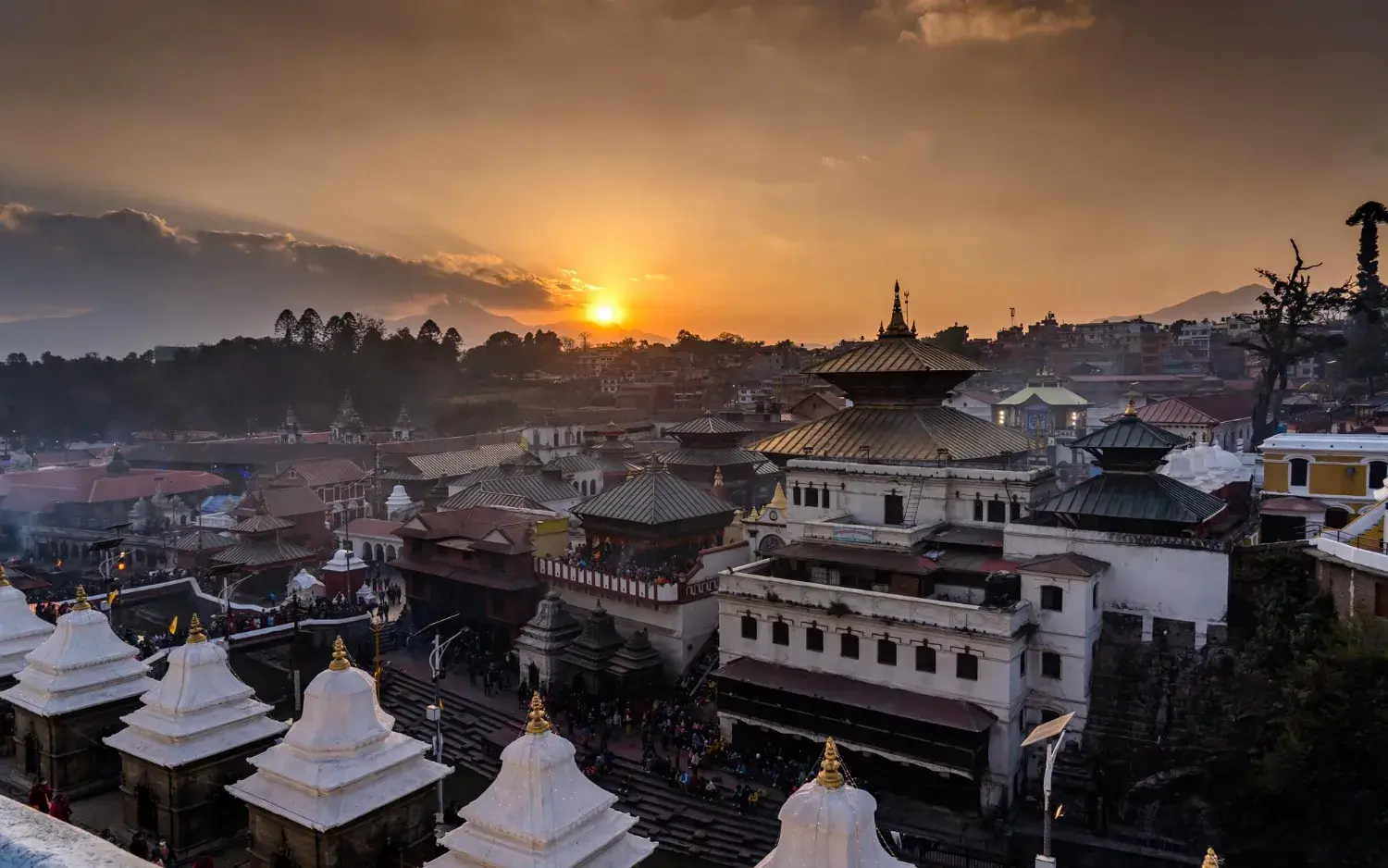
Explore Temple History>>Located in Kathmandu on the banks of the Bagmati River, Pashupatinath is a living heritage site where devotion, ritual, and cultural memory remain active every day.
These are the core etiquette and access rules most visitors should know before they join the temple flow.

Main sanctum access is reserved for practicing Hindus.

Wear modest clothing and avoid shorts or sleeveless tops.

Remove footwear where sacred-zone instructions require it.

Do not photograph restricted ritual zones or cremation activity.

Stay calm and respectful near the Bagmati ghats and active worship areas.

Follow security and queue instructions instead of forcing a fixed route.
Main sanctum access is reserved for practicing Hindus.
Wear modest clothing and avoid shorts or sleeveless tops.
Remove footwear where sacred-zone instructions require it.
Do not photograph restricted ritual zones or cremation activity.
Stay calm and respectful near the Bagmati ghats and active worship areas.
Follow security and queue instructions instead of forcing a fixed route.
Crowd indicator
Temple timings can shift on major observance days, but the usual daily structure looks like this.
Morning Darshan
4:00 AM - 12:00 PM
Afternoon Closure
The main temple closes for part of the afternoon.
Evening Opening
5:00 PM - 9:00 PM
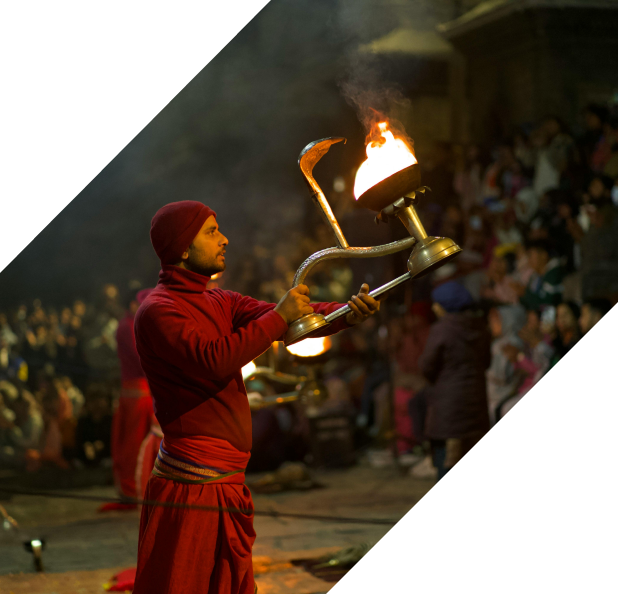
Bagmati Aarti
Usually around 6:30 PM
Festival days can extend or compress the normal pattern. Check live notices before a time-sensitive visit.

Find trusted local guides
guidemeet.com
Compare languages, experience and reviews


Heritage guidesKathmandu Valley
Best time:
Early morning
Typical duration:
20 to 60 minutes
Tip:
Keep offerings simple and follow the active queue rather than forcing your own route.
Best time:
Around sunset
Typical duration:
30 to 45 minutes
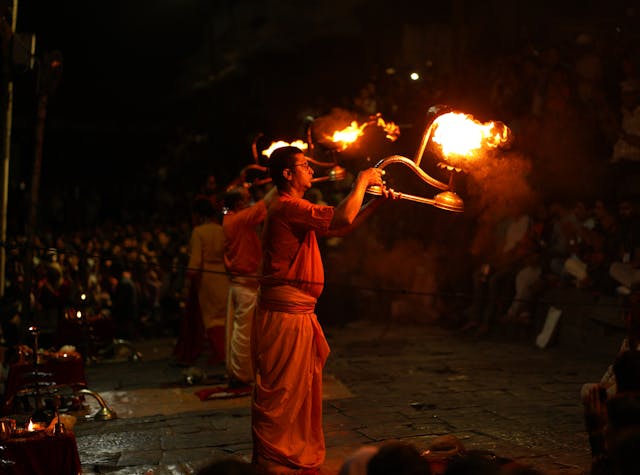
Tip:
Arrive early enough to choose a respectful viewing position before the river edge gets crowded.
Focus:
Shrines, courtyards, ghats, and sacred circulation paths
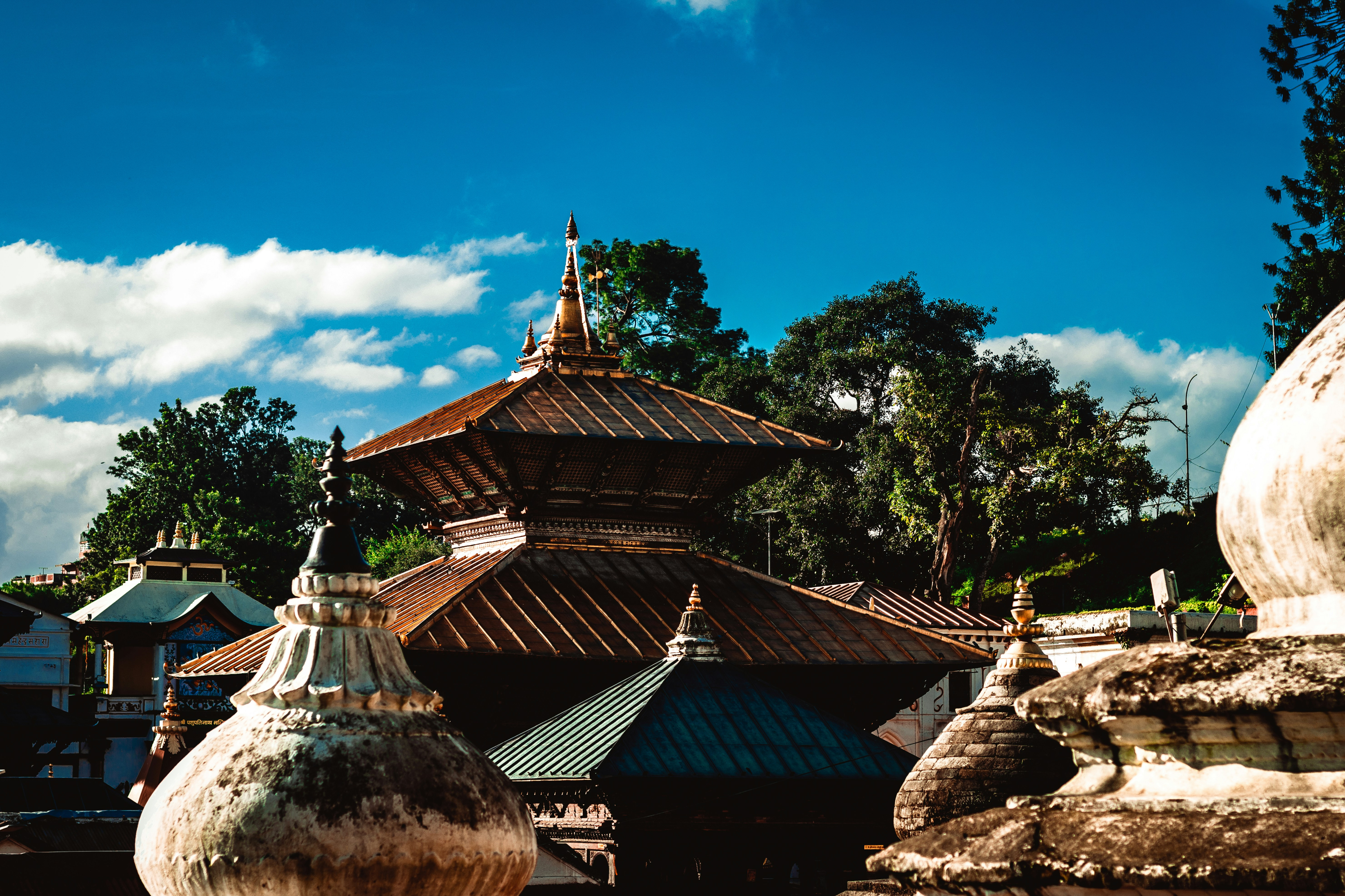
Tip:
A slower walk reveals more than a rushed pass through the central courtyard.
Mood:
Quiet reflection and repetition
Typical duration:
20 to 40 minutes

Tip:
Use this route when you want a calmer devotional rhythm away from the busiest approach.
How:
Book through official counters and follow priest guidance
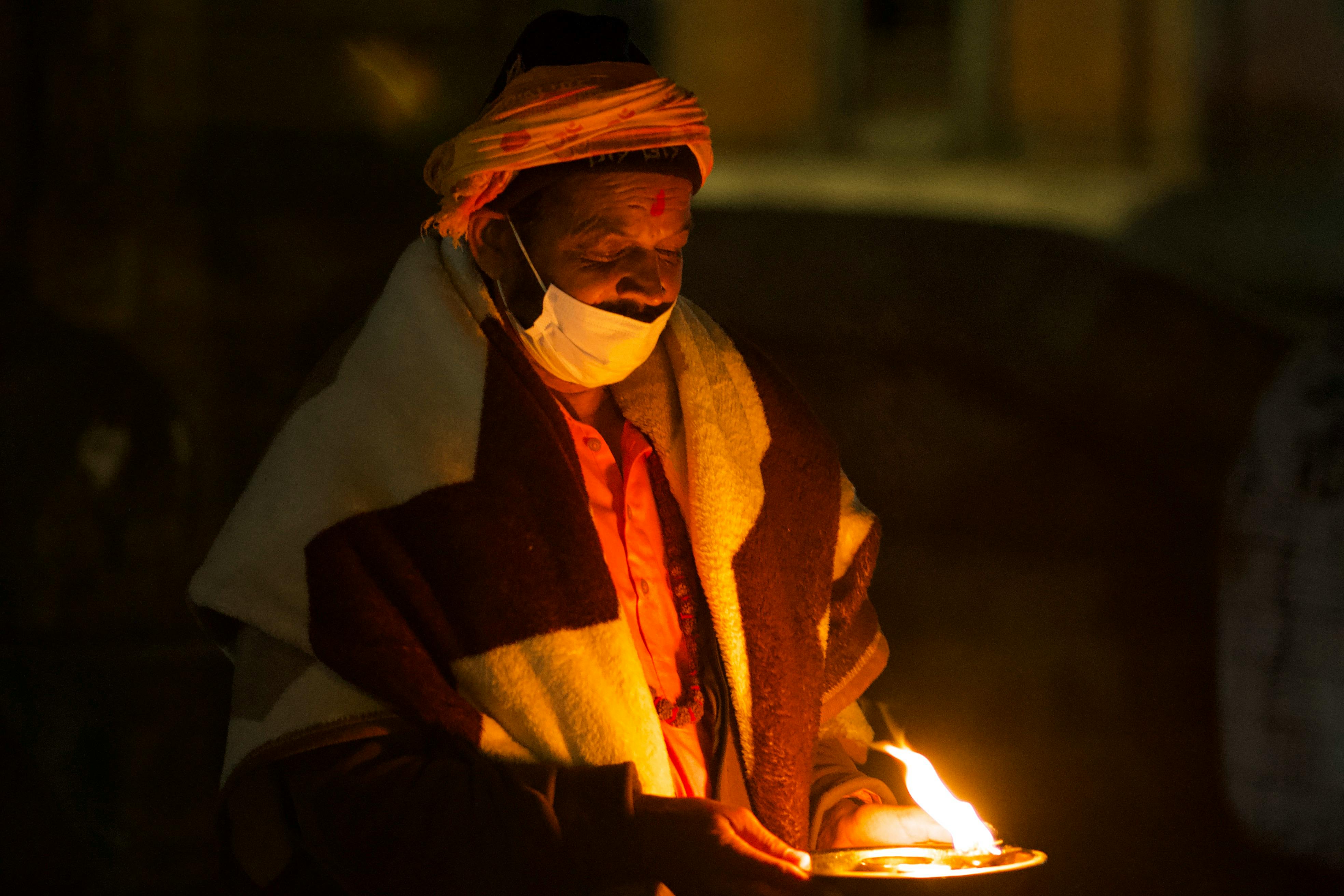
Tip:
Do not rely on unofficial intermediaries for ritual participation.
Expect:
Heavy crowds, stronger ritual atmosphere, and changing access flow
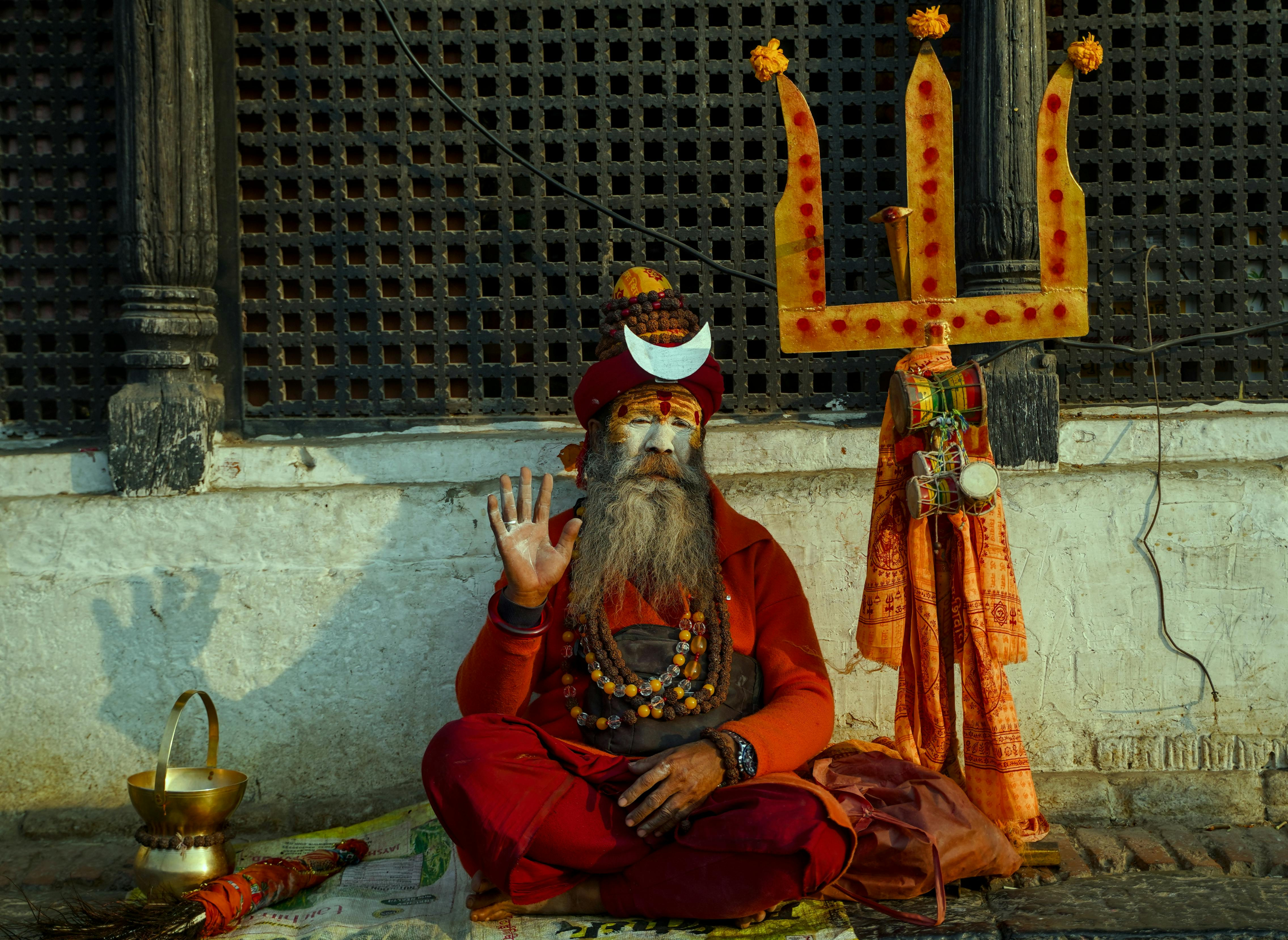
Tip:
Choose this only if you want the intensity as part of the experience.
Find trusted local guides
guidemeet.com
Compare languages, experience and reviews
Heritage guidesKathmandu Valley
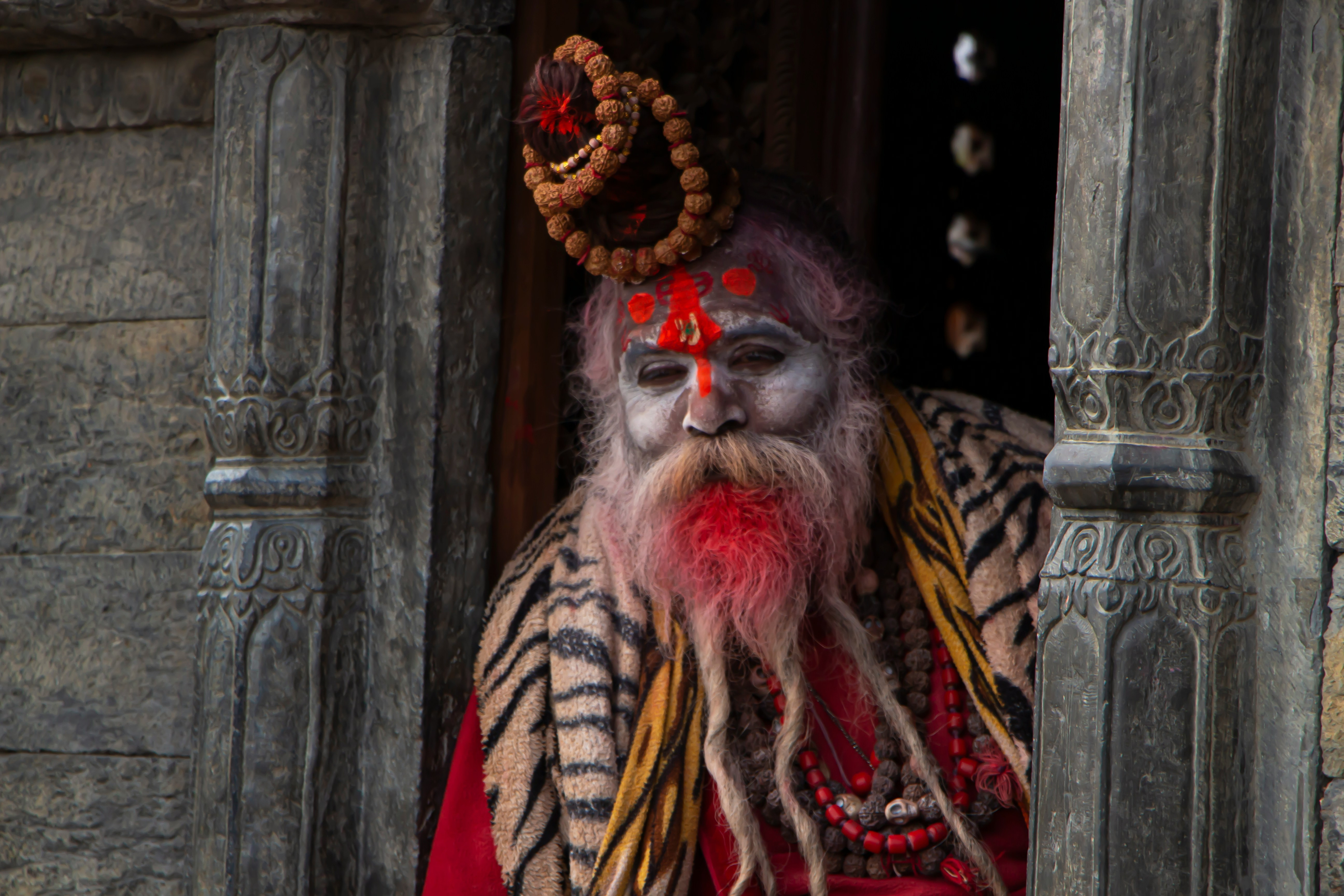
Annual planning highlight
Why it matters
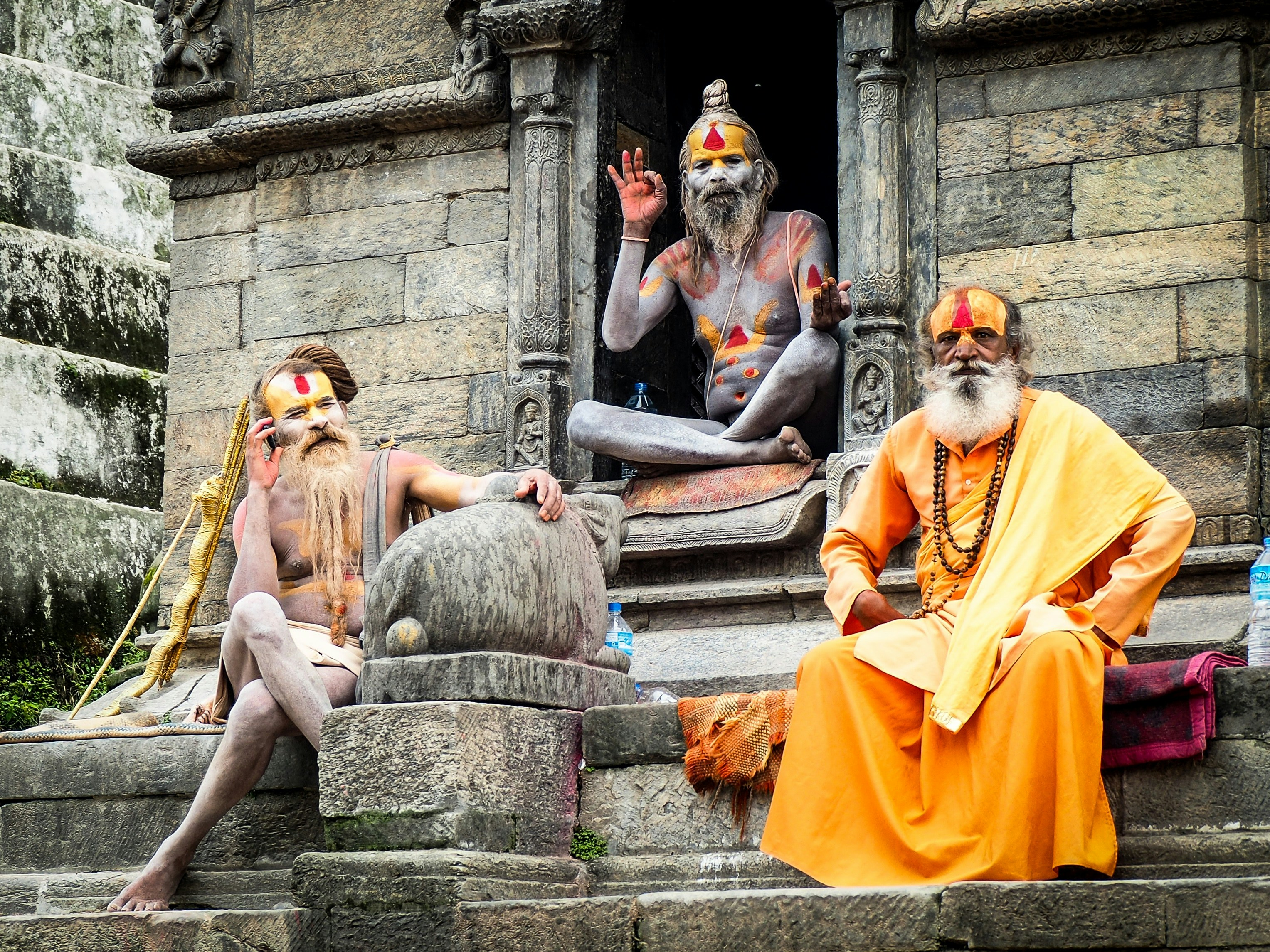
The largest Shiva observance at Pashupatinath, marked by all-night worship, long queues, and a major influx of pilgrims and sadhus.
Visitor note
Expect the biggest crowds of the year and plan extra travel, waiting, and security time.
Annual highlights
View full festival calendarTeej
Arrive early in the day and expect strong crowd density around the core temple approach.
Bala Chaturdashi
The atmosphere is quieter than Shivaratri but still spiritually intense, especially around river-facing ritual zones.


Access
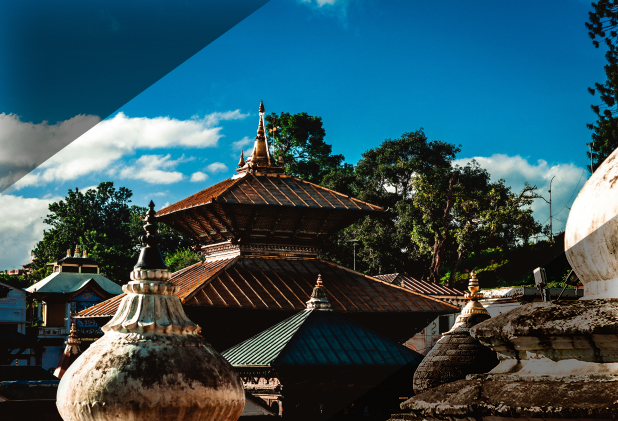
The inner sanctum is reserved for practicing Hindus. Non-eligible visitors should use the outer complex and designated viewing areas instead of joining inner queues.
Next step: Review entry and access guidance before arrival.
Crowd flow
Festival periods, maintenance work, and heavy darshan traffic can shift the active entry and exit routes around the complex.
Next step: Use the first staffed counter for the current queue route.
Aarti
Temple staff may redirect visitors to keep the river edge clear during evening worship and major observances.
Next step: Arrive early and follow the active viewing instructions on site.
Planning
Important observances do not fall on the same Gregorian date every year, so planning by month and confirming locally is safer than relying on old web pages.
Next step: Use the annual festival calendar as a planning guide, then verify the current schedule before travel.
Available within / around the temple area:

Drinking water stations
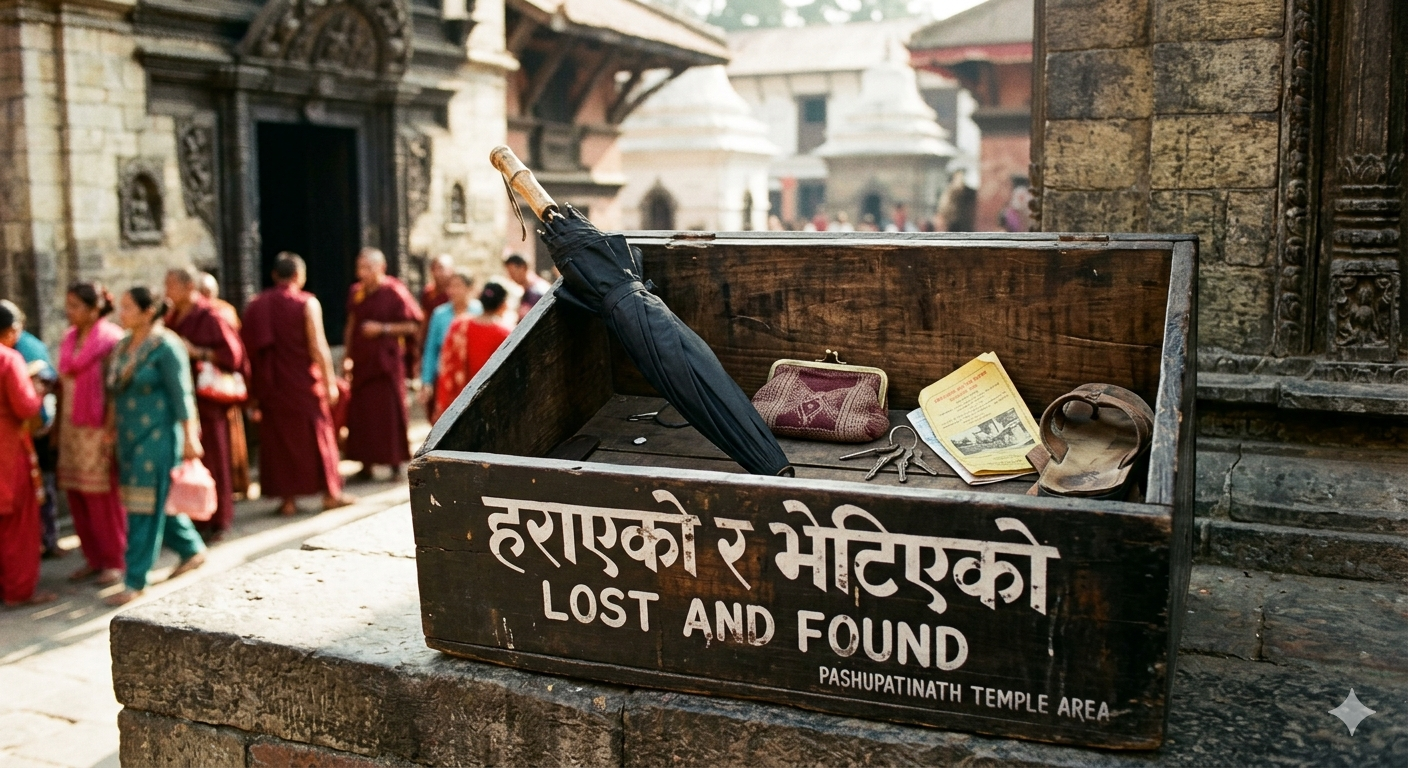
Lost & Found
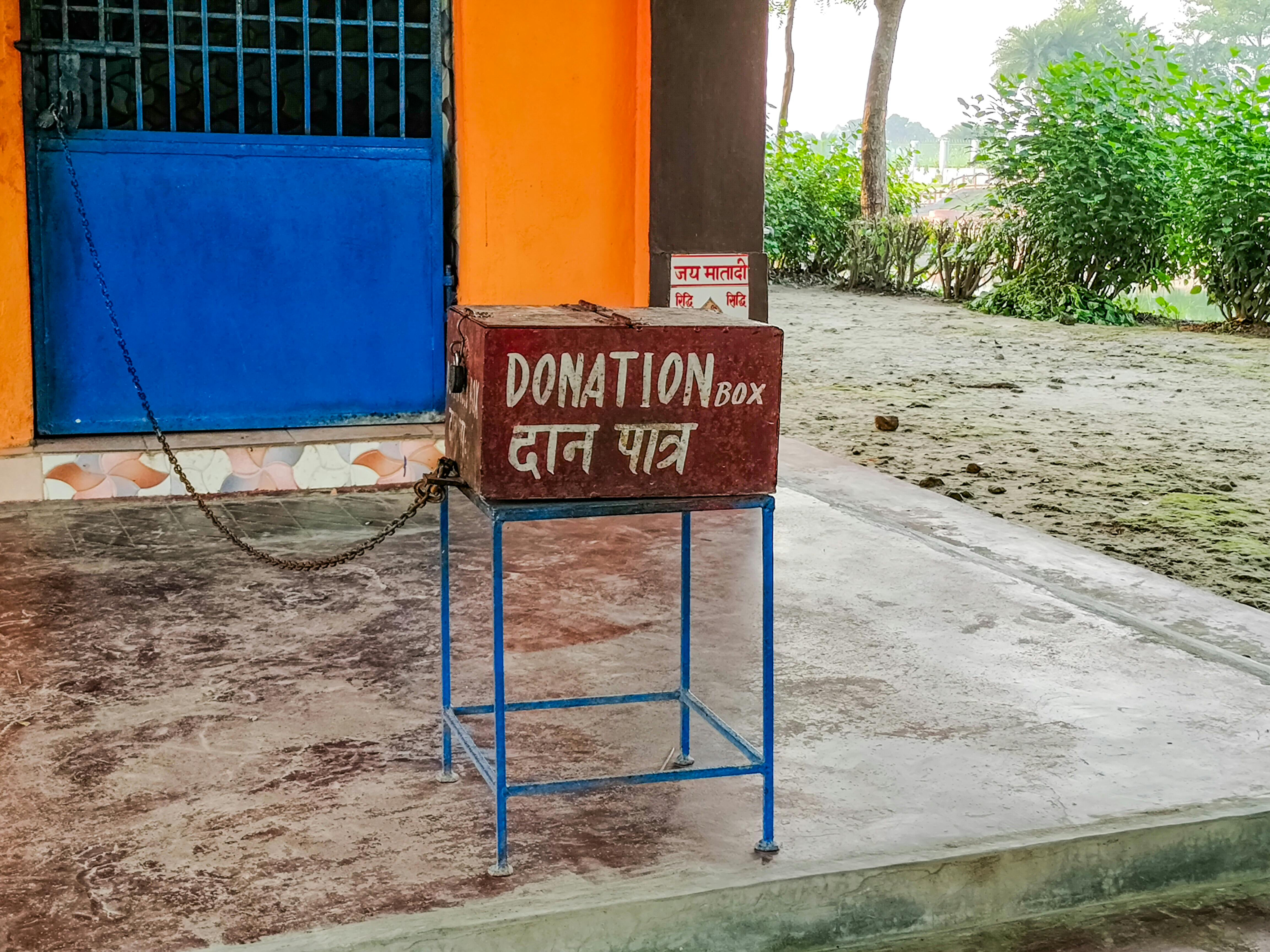
Donation counters (official)

Rest areas

Elder assistance
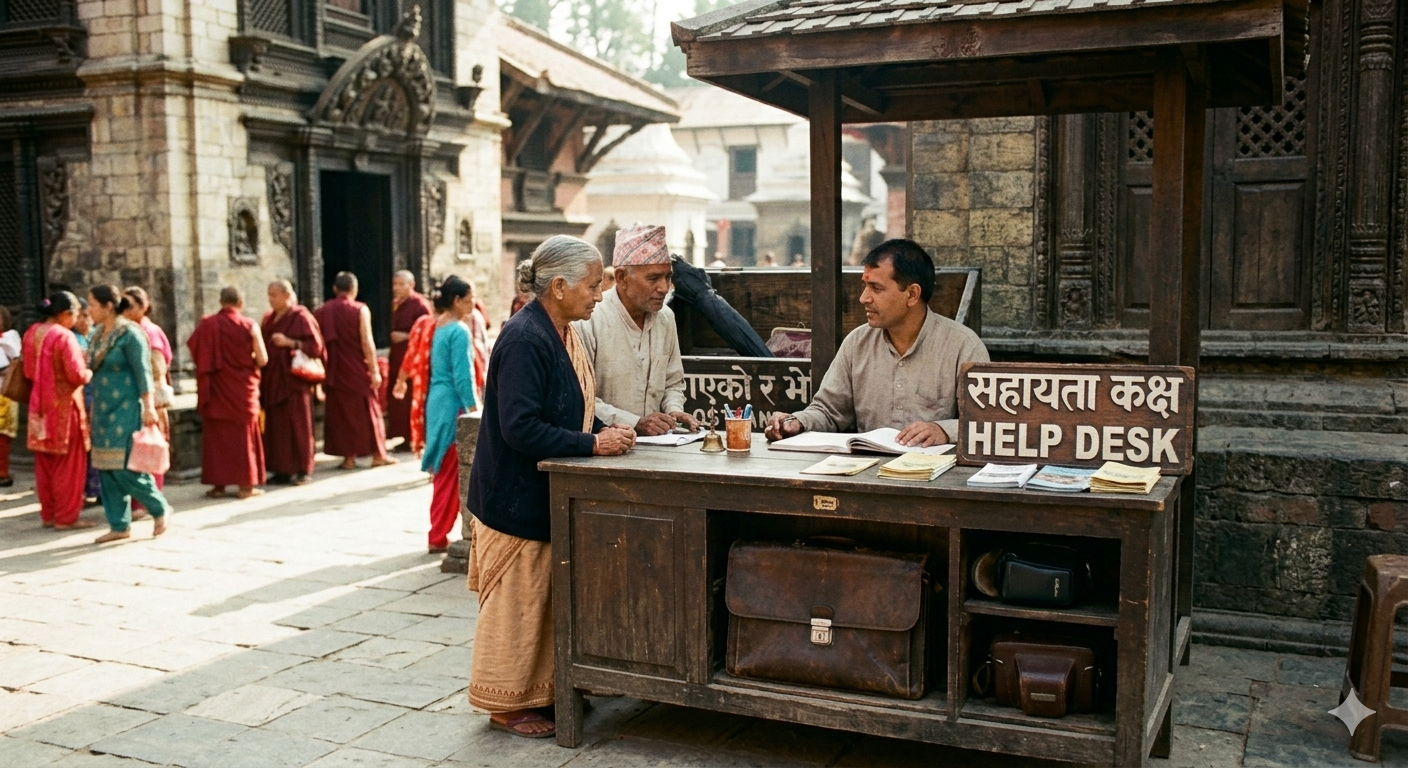
Security / Help desk
If you need assistance during your visit:
Temple Security Office:
+977-9801100349
Medical support:
On-site help desk (as available)
Lost & Found:
Near main entry zone
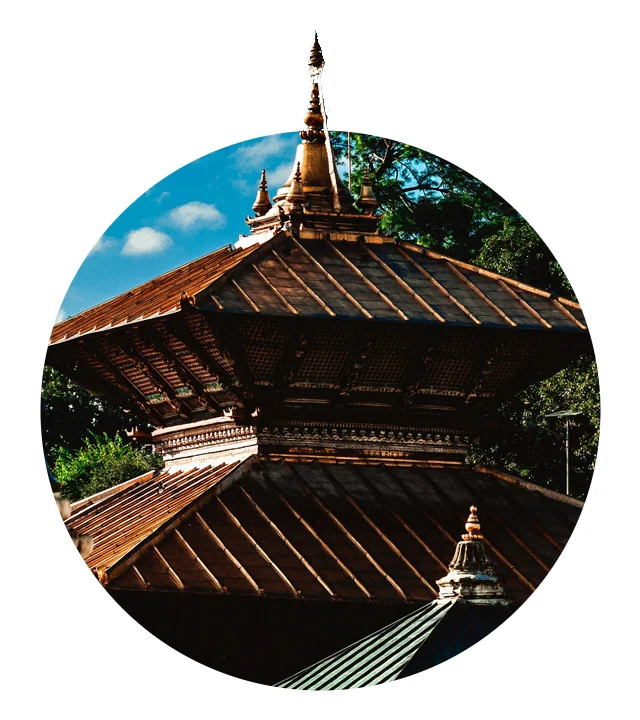
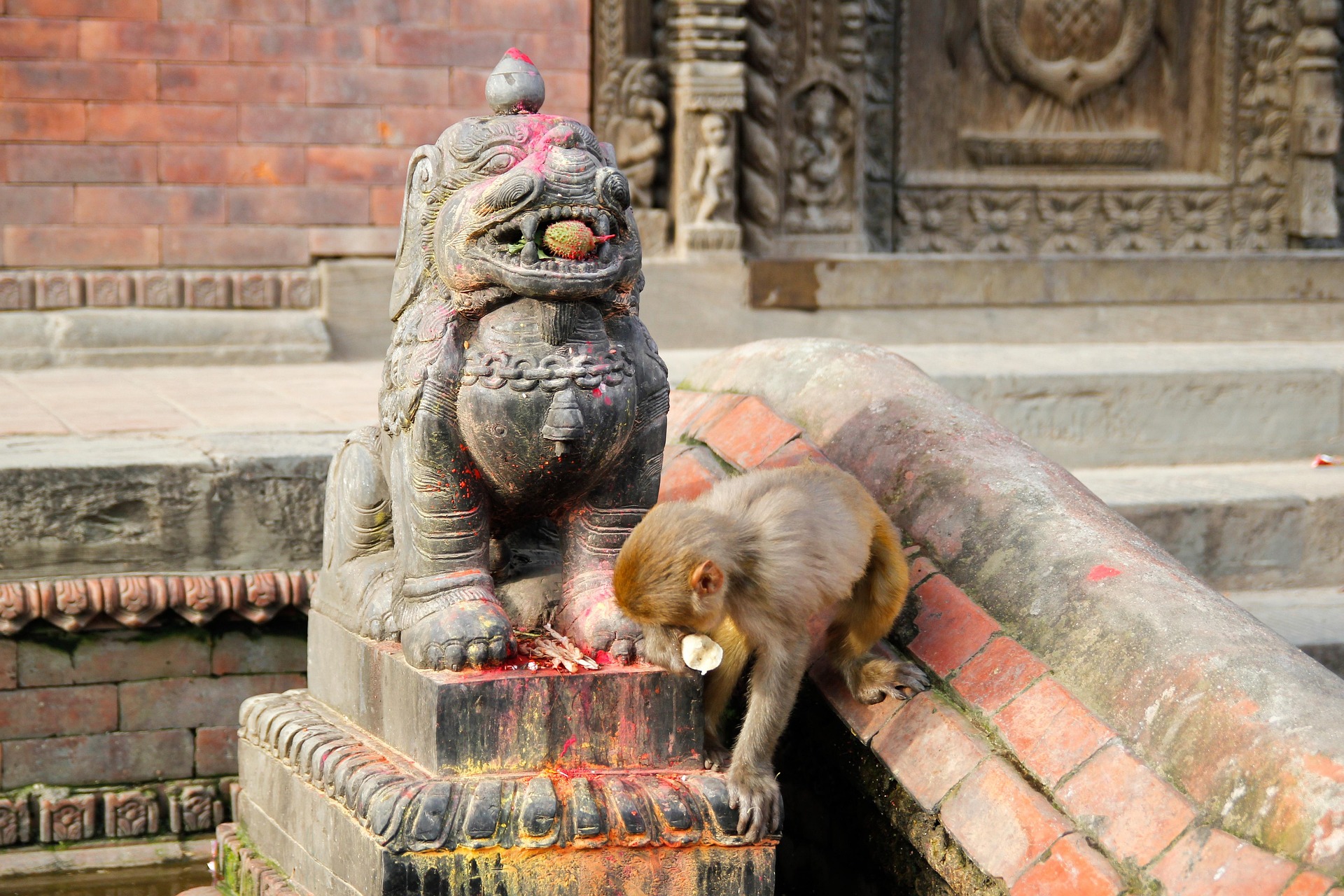
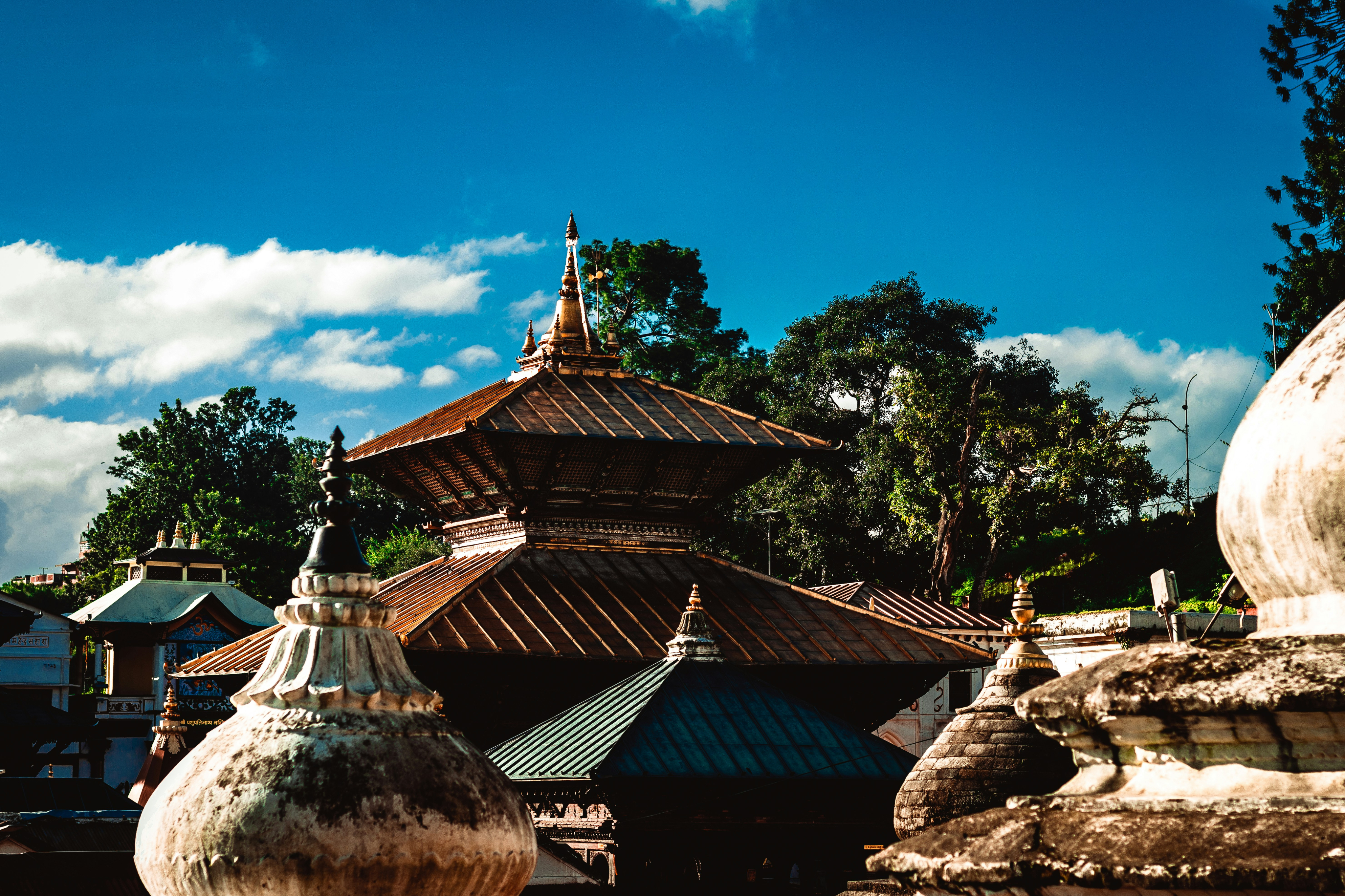
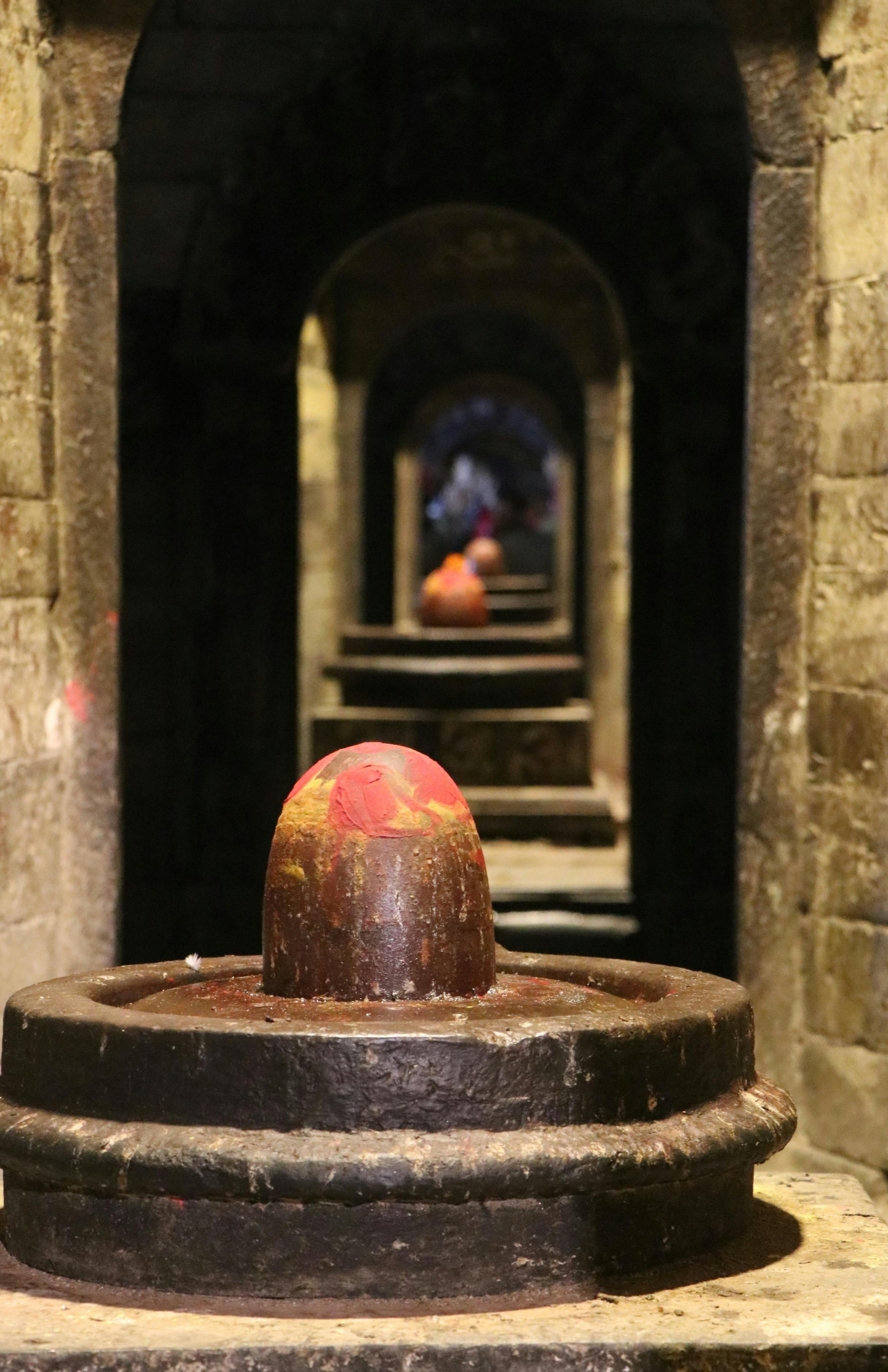
A visual introduction to the temple's architecture, ritual life, Bagmati riverfront, and festival atmosphere.
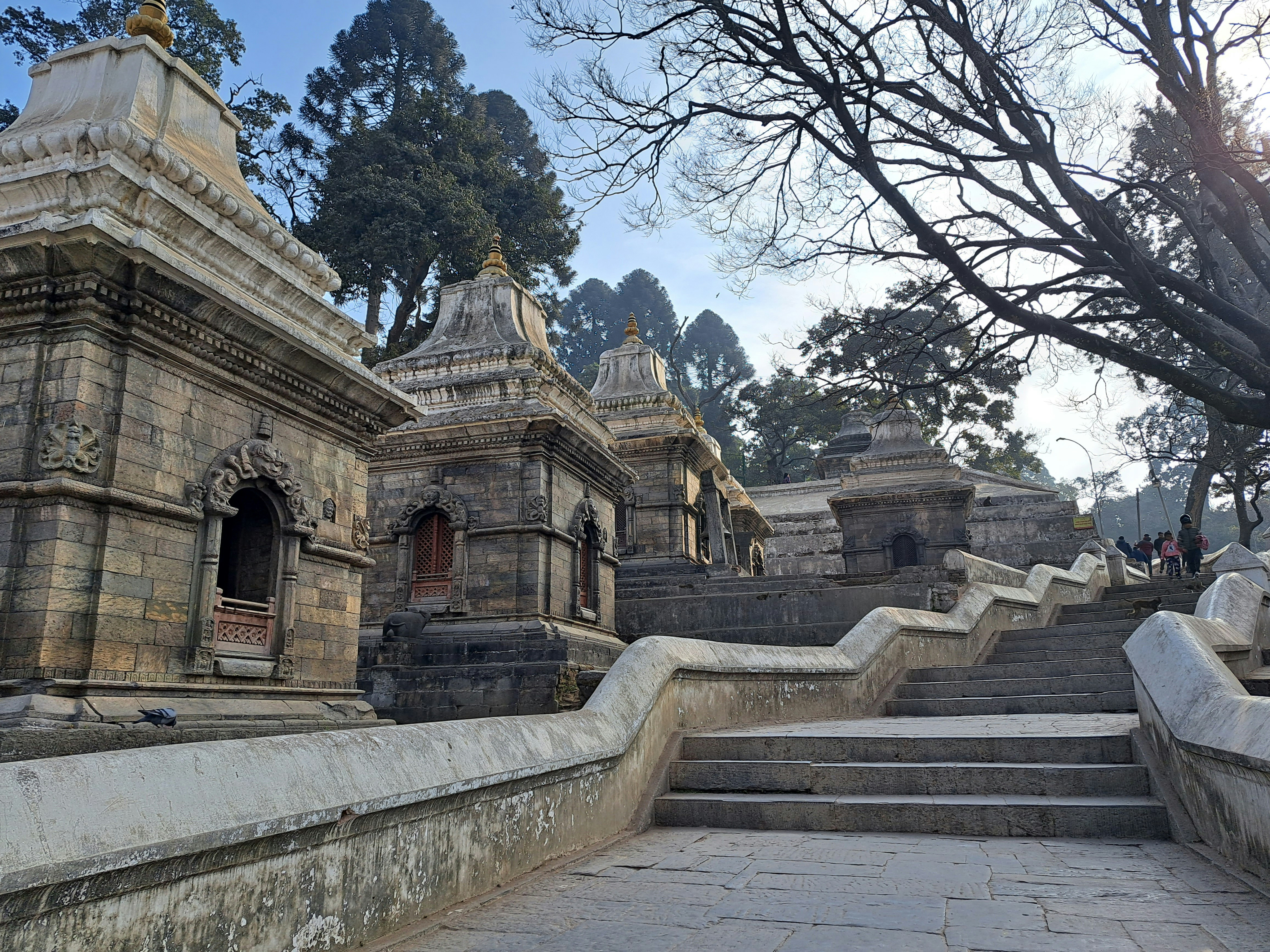
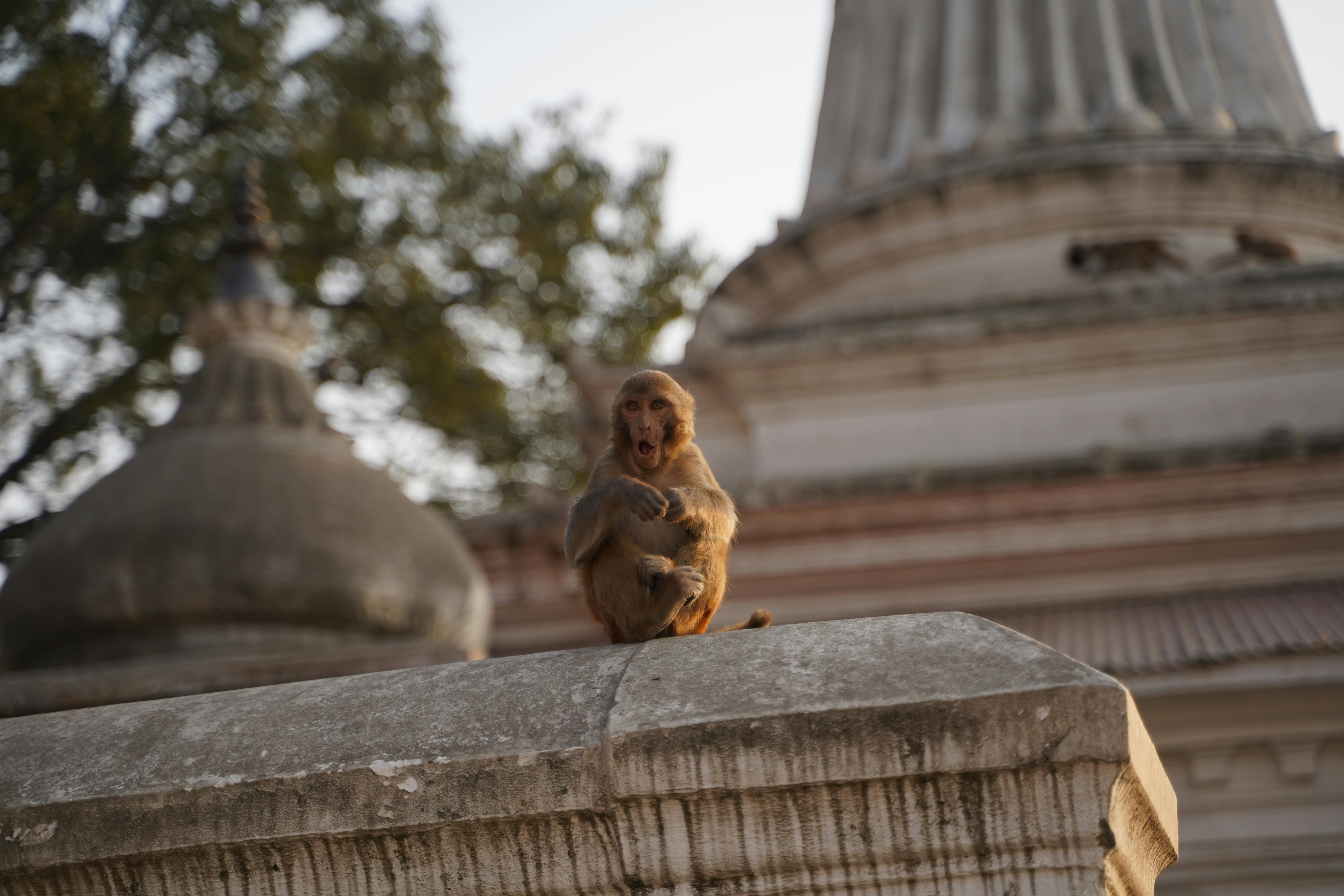

Core planning answers that deserve to be visible in the HTML even before a visitor interacts with the page.
The temple day typically begins around 4:00 AM. Morning darshan runs first, the main temple closes for part of the afternoon, and evening worship continues until roughly 9:00 PM. Festival days can change the rhythm, so confirm timings before you go.
Access to the main sanctum is reserved for practicing Hindus. Visitors who are not eligible can still explore the larger complex and use designated outer viewing areas.
Dress modestly, avoid revealing clothing, and expect to remove footwear before entering sacred areas. Lightweight clothing that still covers shoulders and knees usually works best.
The evening Bagmati Aarti usually takes place around sunset, often near 6:30 PM. Seasonal conditions and special observances can shift the exact start time slightly.
A short orientation visit can take 1 to 2 hours. A fuller visit that includes darshan, the ghats, smaller shrines, and time for observation often takes 2 to 4 hours.
Photography rules vary by zone. Open courtyards are usually less restrictive than ritual spaces, but you should avoid photographing inside restricted worship areas and during cremation rituals.
Use the first staffed counter, visitor support desk, or security post you see. During busy days, on-site guidance is more reliable than trying to solve a problem by retracing the whole complex.
Yes. Major festivals can change gate usage, queue routes, waiting times, and observation areas. Festival visits need extra time, simpler expectations, and closer attention to on-site instructions.
This site is written to help visitors understand the temple before they arrive: what the place is, how to move through it respectfully, and which operational changes matter most on a real visit.
Use the live notices and festival calendar alongside the planning pages whenever timings, access routes, or crowd conditions are important to your trip.
 Donate
 Plan Your Visit