 Donate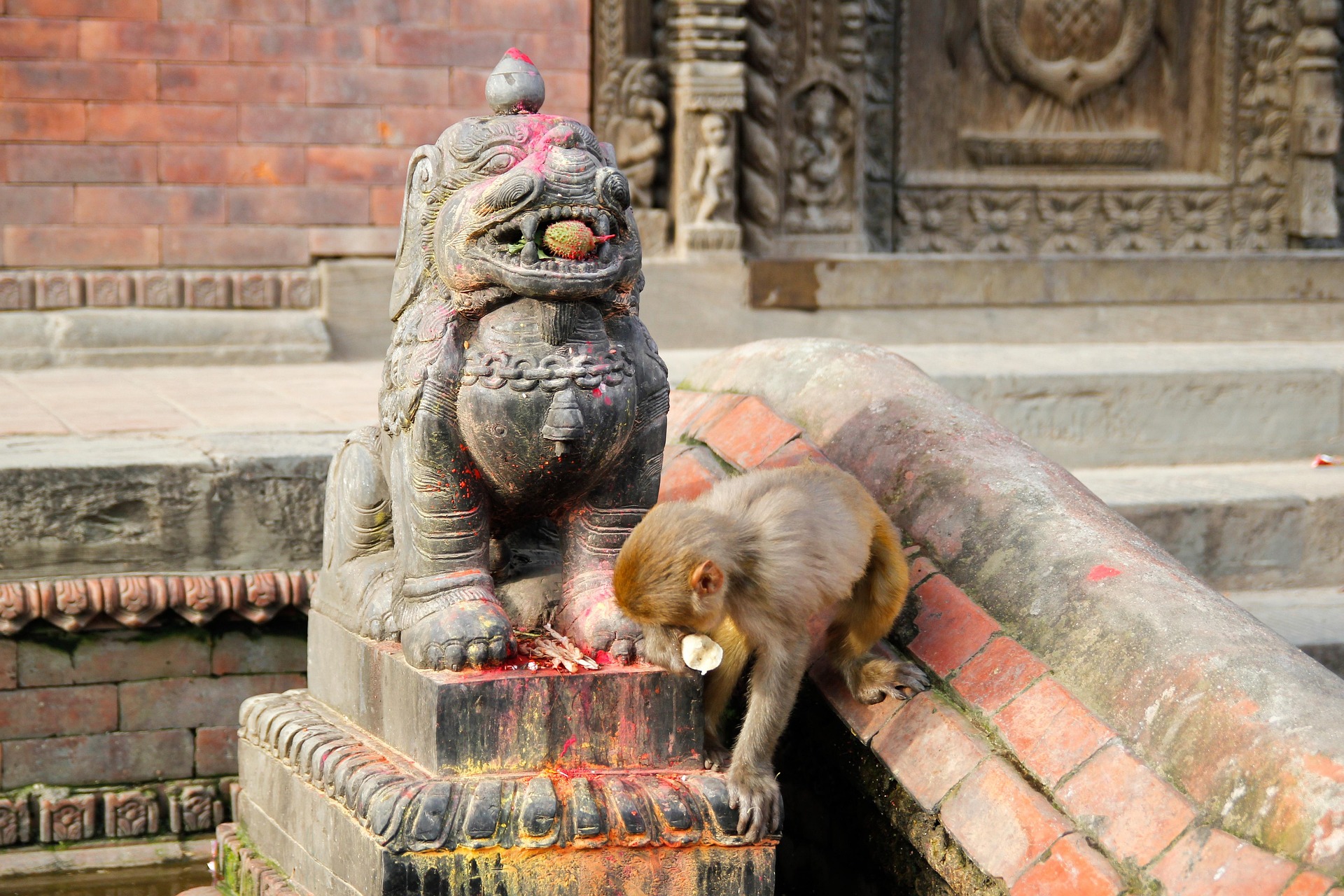
Architecture
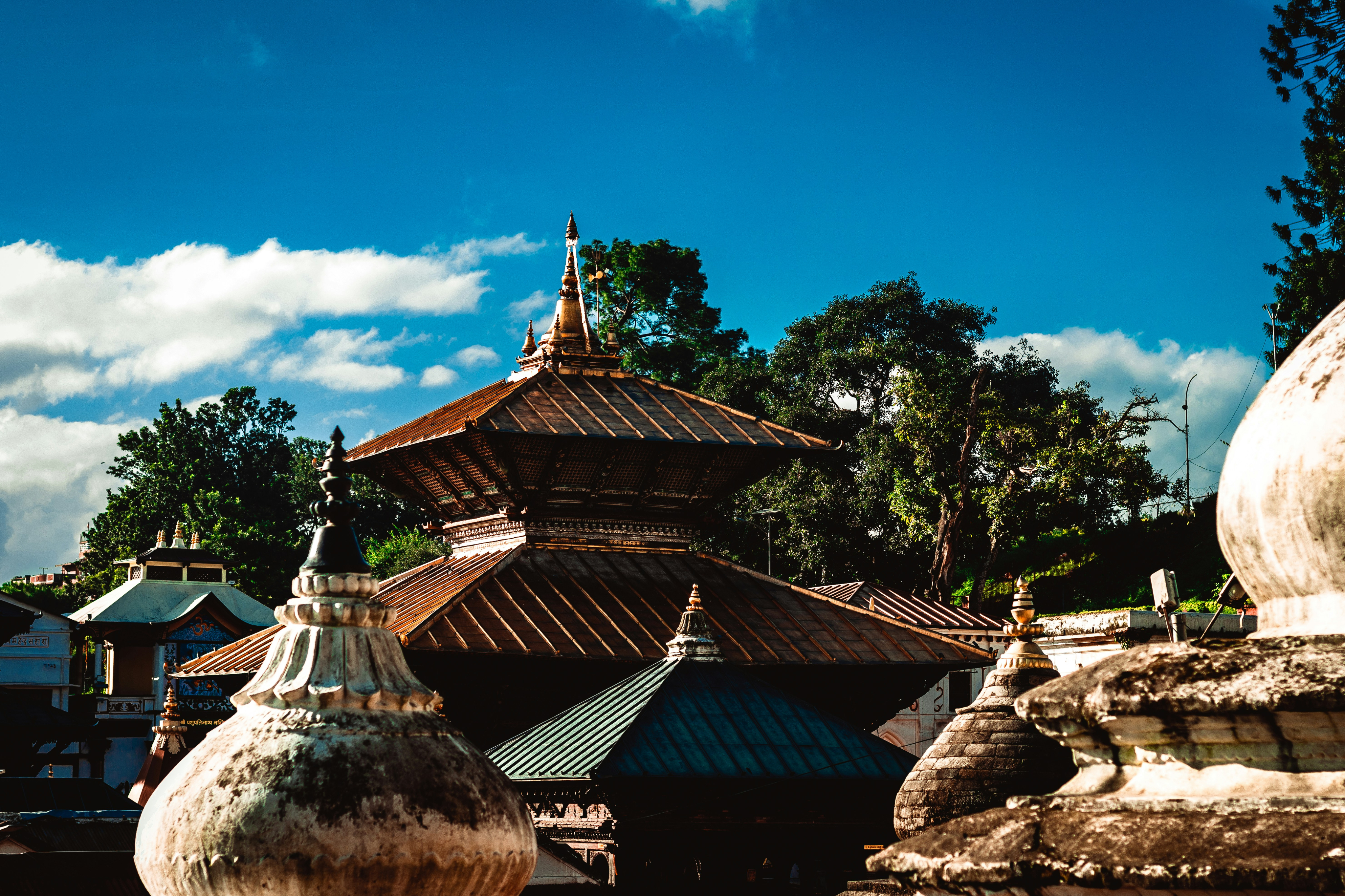
Main pagoda roofline
The gilded tiers hold the eye first, but the carved timber struts do most of the storytelling.
Gallery / Pashupatinath Temple
This gallery focuses on the temple as a living sacred place: architecture, ritual movement, Bagmati riverfront moments, festival density, and the quieter textures of the wider complex.
06
Image studies
05
Visual moods
01
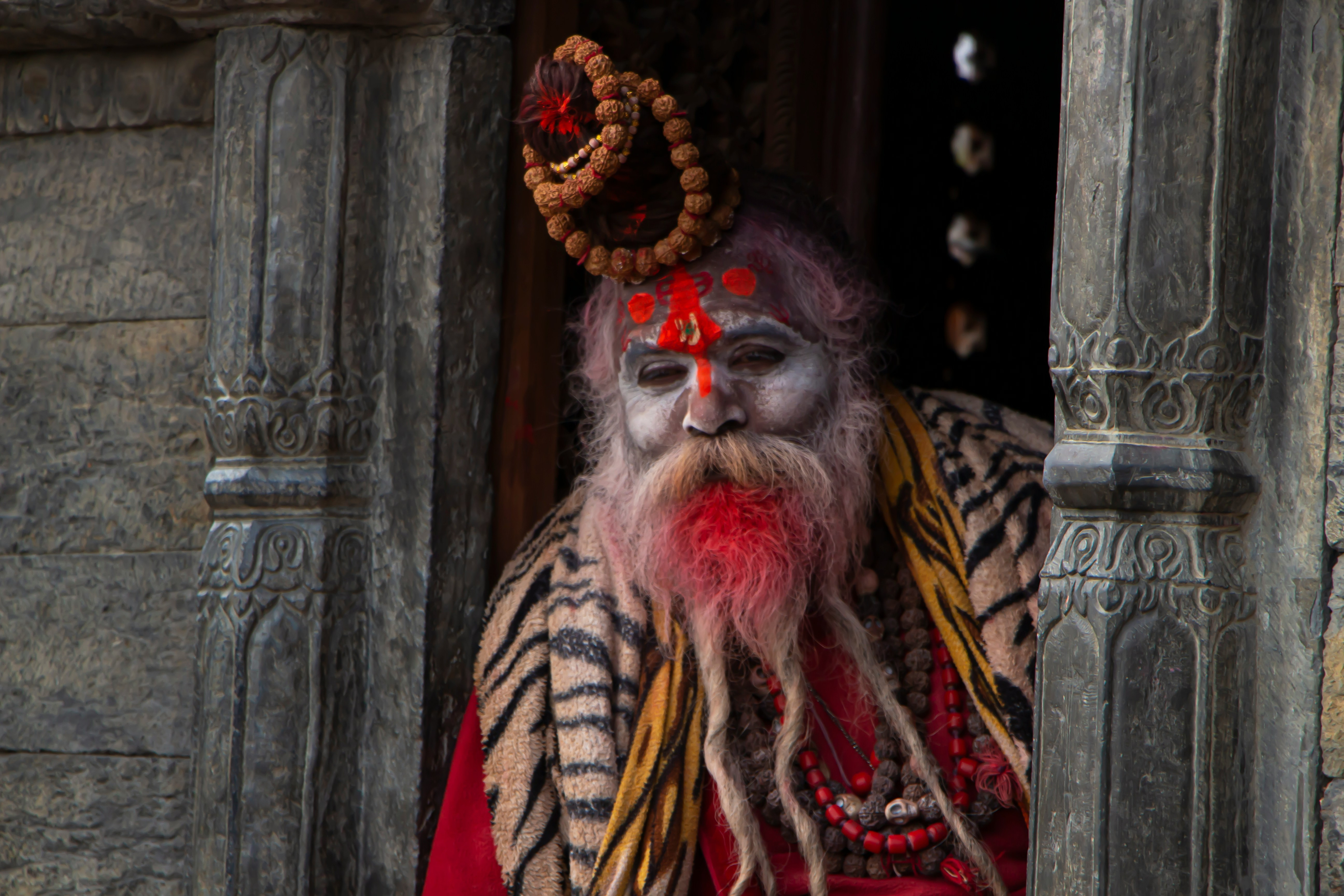
Living temple
Field note
The site reads best in layers: ritual in the foreground, carved structure in the middle distance, and the Bagmati edge holding the entire scene together.
Curated sequence
The layout stays intentionally uneven. Pashupatinath never reveals itself in one clean symmetry, so the page should not pretend otherwise.
Architecture
The gilded tiers hold the eye first, but the carved timber struts do most of the storytelling.
Movement
This is where the complex feels lived in - pilgrims flowing, pausing, then moving again.
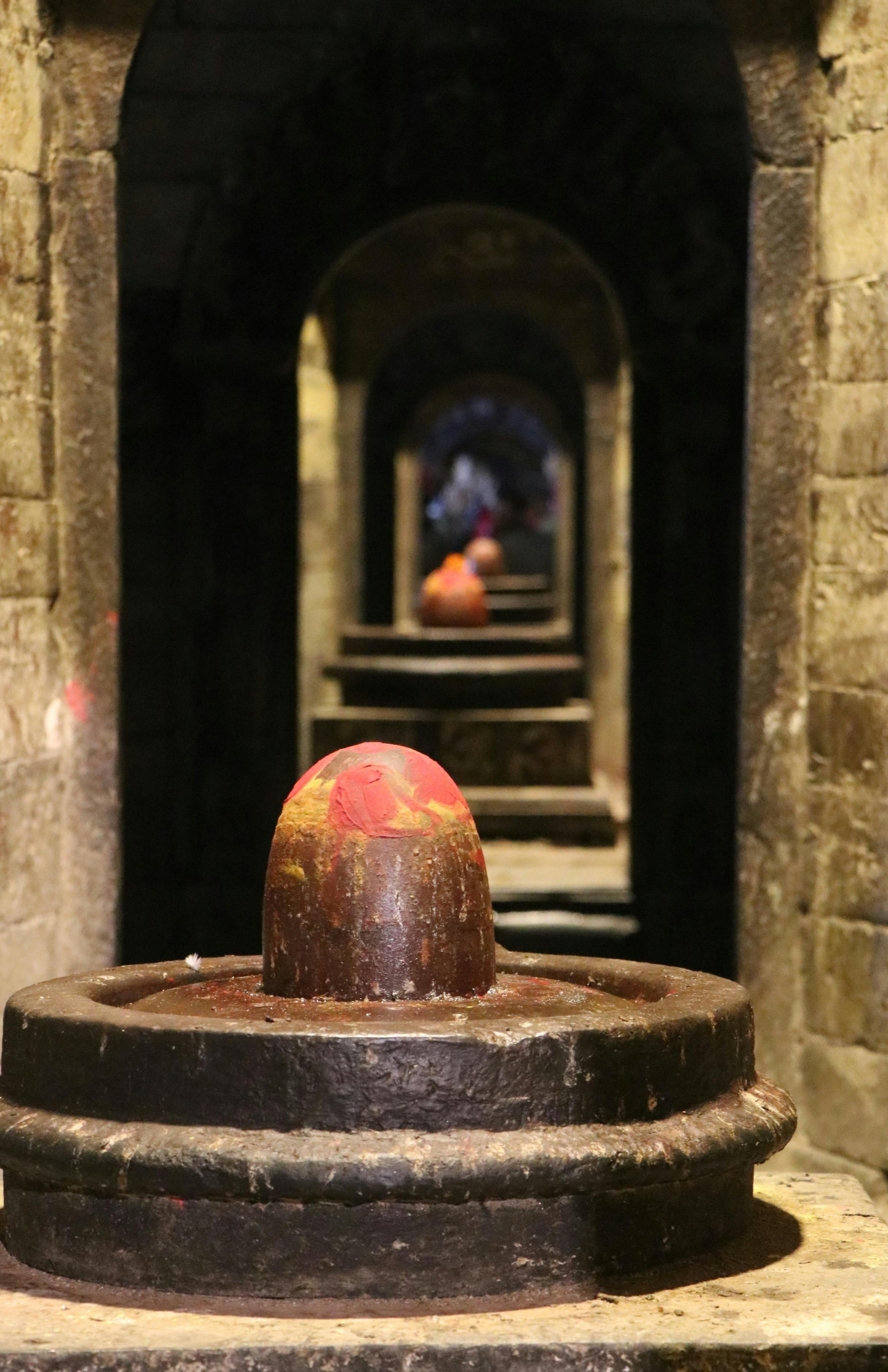
Aarti
Smoke, brass lamps, and the river edge create the most cinematic stretch of the evening.
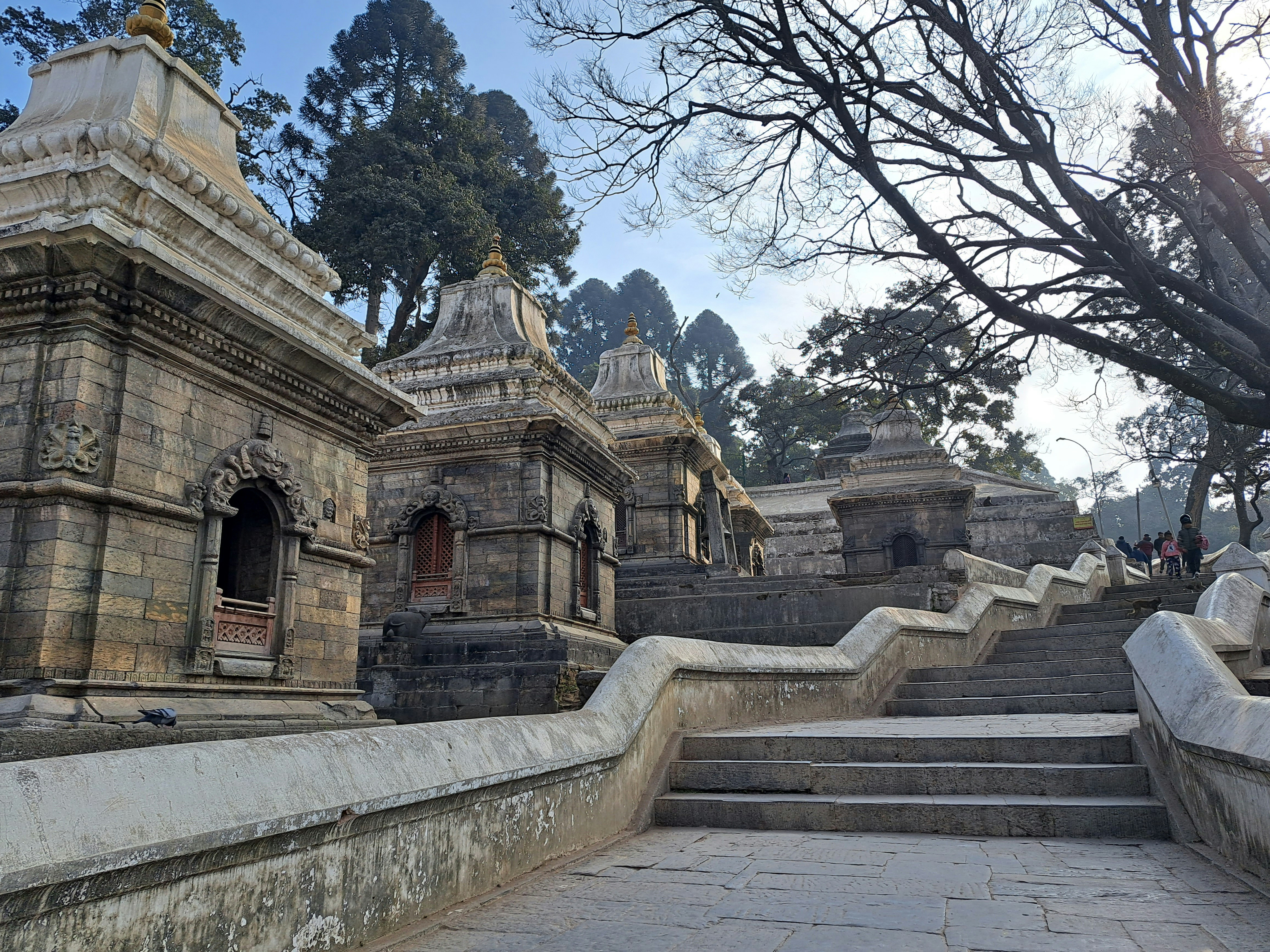
Detail
Small carvings and worn surfaces carry as much history as the headline structures.
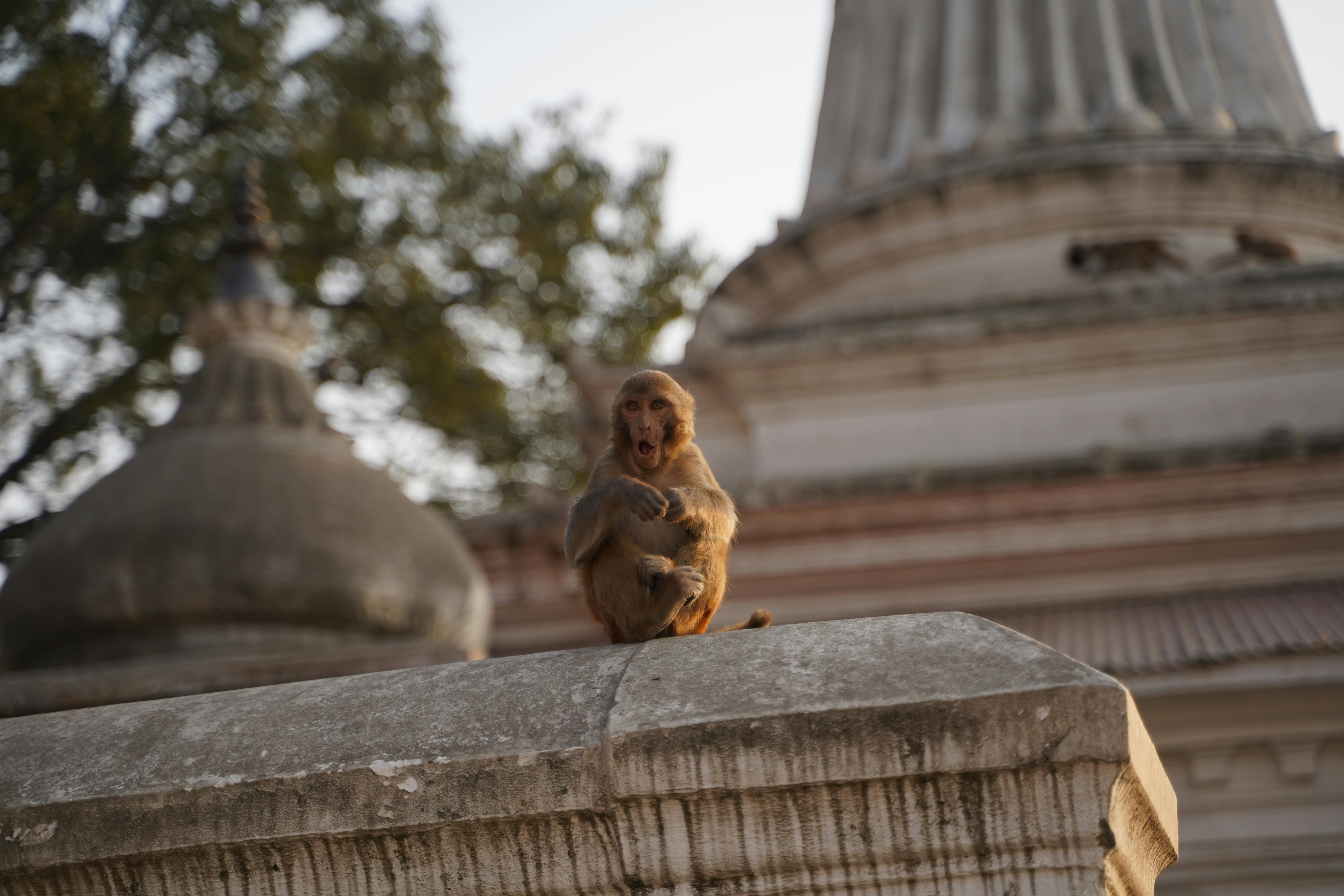
Crowd
On major days, the site compresses into queues, color, sound, and a surprisingly calm rhythm.
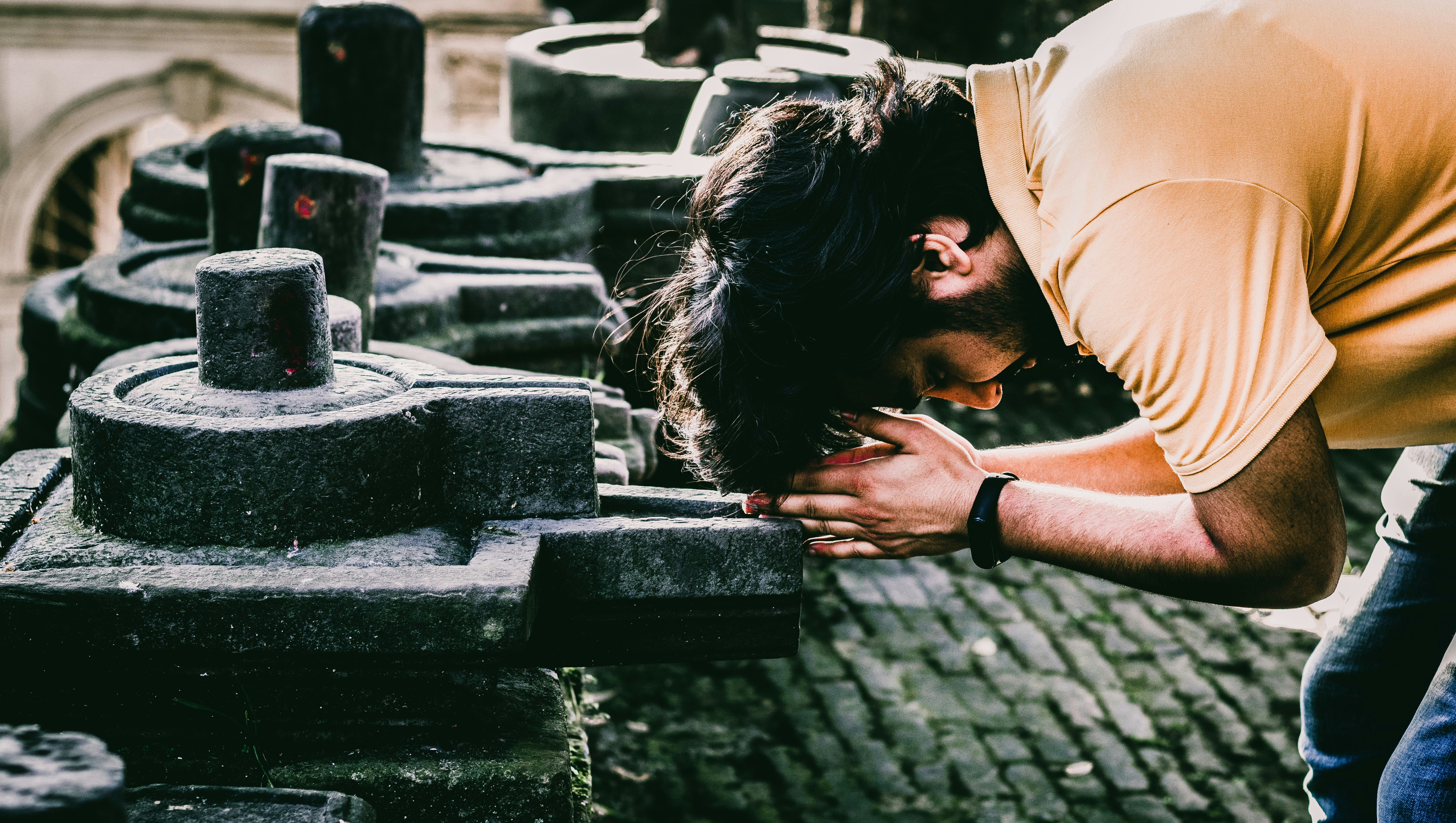
Mood
The quietest frame is rarely empty. It is usually a pause between one ritual and the next.
How to read the place
01
Early morning brings soft stone tones. Late afternoon turns brass, smoke, and prayer flags warmer and denser.
02
The strongest visuals are often away from the central axis - courtyards, steps, and river-facing moments do the real work.
03
This page celebrates observation, not extraction. Follow local guidance and avoid photographing restricted ritual zones.
Wait for these moments
If you only rush through the central courtyard, every photograph looks the same. These slower intervals make the temple more legible.
Before 6:00 AM
Watch how the complex wakes up before the crowd settles into a pattern.
Mid-morning
The carved roof supports and shrine textures read more clearly once the light lifts.
Around Aarti
This is the most dramatic balance of flame, chanting, movement, and reflection.
Festival days
Look beyond the landmark shot. The density of worshippers is what defines the frame.