
 Donate
Pashupatinath Temple
History, Spiritual Significance, and Sacred Overview
Introduction
Pashupatinath Temple is one of the most important Shiva temples in the Hindu world. Set beside the Bagmati River in Kathmandu, it functions both as a living pilgrimage center and as one of Nepal's strongest symbols of sacred heritage.
The name Pashupati refers to Shiva as the lord of all beings. That idea shapes the temple's spiritual identity, the rituals performed here, and the way devotees understand the site as a place of protection, purification, and continuity.
This page explains the temple's history, religious meaning, architectural character, and cultural relevance so you can understand the site before planning the visit itself.
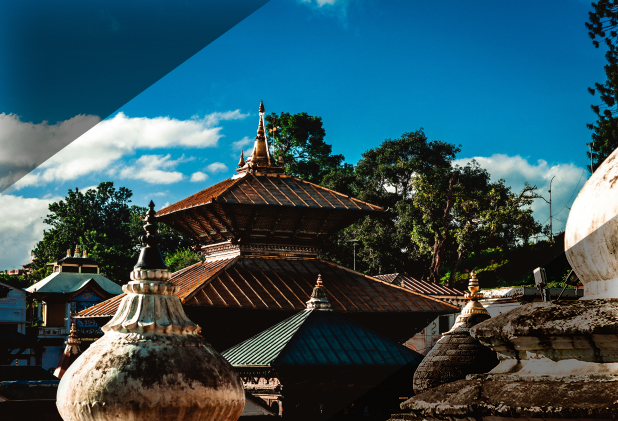
Spiritual Significance of Pashupatinath
Pashupatinath is one of the most important pilgrimage sites for followers of Lord Shiva. The name "Pashupati" refers to Shiva as the lord of all beings, symbolizing protection, balance, and universal connection.
For devotees, visiting this temple is not just a ritual act. It is believed to bring spiritual purification and blessings. The temple is also closely associated with the concept of moksha, or liberation from the cycle of life and death.
This belief is reflected in the rituals performed along the Bagmati River, where final rites are conducted. Many families consider it deeply meaningful to perform these ceremonies in this sacred environment.
During major festivals such as Maha Shivaratri, the temple becomes a gathering place for thousands of pilgrims, reinforcing its role as a center of devotion and collective spiritual energy.
The origins of Pashupatinath Temple are described through both documented history and religious mythology. Exact dates remain debated, but the site has been recognized as a place of worship for many centuries.
One of the best-known legends tells of Lord Shiva taking the form of a deer in the forests of this area. When the gods found him, one of his horns broke and became the sacred linga worshipped at the site.
The temple was rebuilt and expanded over time, especially during the Malla period, when much of the current architectural character took shape through traditional Nepali woodwork, symbolic carvings, and pagoda-style construction.
Today the wider temple zone is part of a UNESCO World Heritage Site, reflecting its importance not only as a religious center but also as a cultural and historical landmark.
Bagmati River & Sacred Ghats
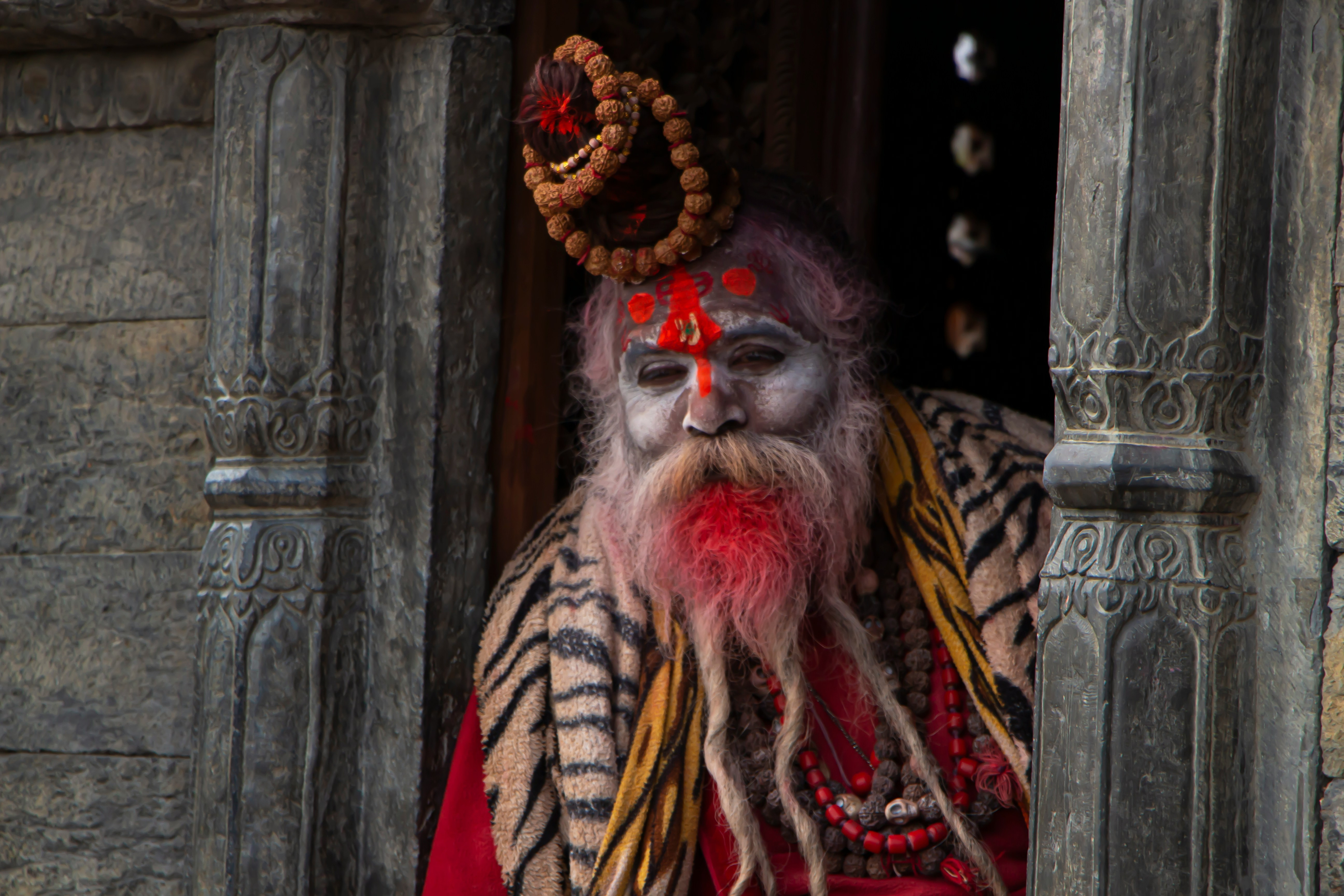
The Bagmati River flows beside the temple and plays an essential role in its spiritual identity. It is considered a sacred river, and its banks are used for cremation rituals that follow Hindu traditions.
These ceremonies are not separate from the temple's identity. They are part of the same spiritual system, representing the cycle of life, death, and rebirth.
For visitors, the ghats can be a powerful place to observe cultural practices. At the same time, they require sensitivity and respect.
Visitor Etiquette

Maintain silence and respectful distance
Avoid photography during cremation rituals
Follow instructions from temple authorities
Observe without interfering in ceremonies
Temple Architecture & Layout
Pashupatinath Temple is a classic example of traditional Nepali pagoda-style architecture. The main temple features a two-tiered golden roof, intricately carved wooden details, and four silver-plated doors facing the cardinal directions.
At the center of the temple is the sacred Shiva linga, which has four faces representing different aspects of Shiva. These symbolize creation, preservation, destruction, and transcendence.
The temple complex extends across a large area and includes numerous smaller shrines, statues, and sacred spaces. Each part of the complex has religious meaning, forming a layout that reflects spiritual beliefs rather than just physical design.
Cultural & Spiritual Relevance Today
Pashupatinath remains one of the most important religious and cultural sites in Nepal. It continues to function as an active place of worship where rituals are performed daily according to long-standing traditions.
Unlike many heritage sites that are preserved mainly for tourism, Pashupatinath is alive with ongoing spiritual activity. Priests conduct ceremonies, devotees gather for prayers, and festivals bring large numbers of people together.
For many visitors, the temple offers more than a place to see. It provides an opportunity to understand deeper ideas such as devotion, impermanence, and the connection between life and spirituality.
Understanding the temple is the first step. Planning your visit helps you experience it respectfully and meaningfully.
Plan Your Visit to Pashupatinath