
 Donate
Plan Your Visit
Visit Pashupatinath Temple
Introduction
Planning ahead makes a visit to Pashupatinath Temple smoother, quieter, and more respectful. The site is active all day, and the experience changes significantly with crowd levels, ritual timings, and festival conditions.
This guide focuses on when to visit, how to reach the temple, what to wear, what access rules matter most, and how to avoid preventable confusion once you are on site.
Use it as your practical planning layer, then check live notices if you are traveling near a festival, ceremony, or maintenance period.
Best Time to Visit Pashupatinath Temple
Choosing the right time can make a big difference in your experience.
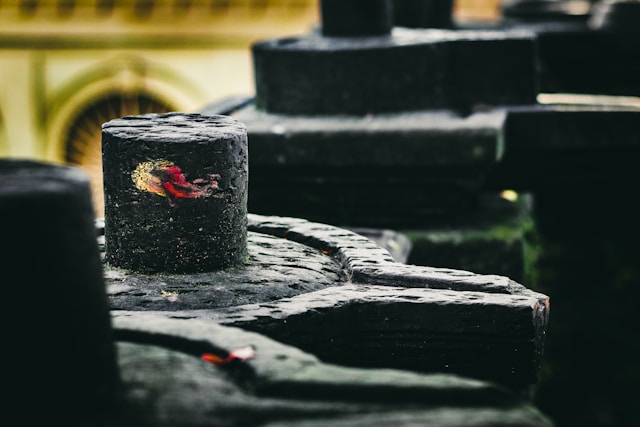
Early Morning
Best for Darshan

Time: Around 4:00 AM to 8:00 AM

Peaceful environment with fewer crowds

Ideal for spiritual visits and quiet observation
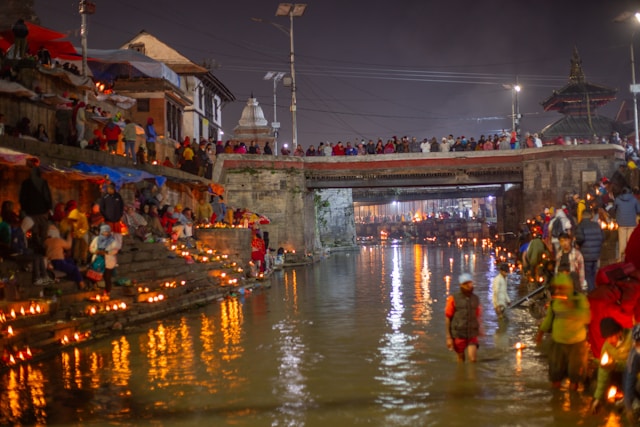
Evening
Best for Aarti Experience
Time: Around 6:30 PM (Bagmati Aarti)
More visitors but strong spiritual atmosphere
Best for witnessing rituals and devotional activities
Festival vs Normal Days
Festival Days
eg: Maha Shivaratri, Teej
Very high crowd levels
Extended temple hours may apply
Strong cultural and spiritual atmosphere
Regular Days
More manageable crowds
Easier access and movement
Better for first-time visitors
Visiting Hoursand Daily Timings
Crowd indicator
Temple timings can shift on major observance days, but the usual daily structure looks like this.
Morning Darshan
4:00 AM - 12:00 PM
Afternoon Closure
The main temple closes for part of the afternoon.
Evening Opening
5:00 PM - 9:00 PM
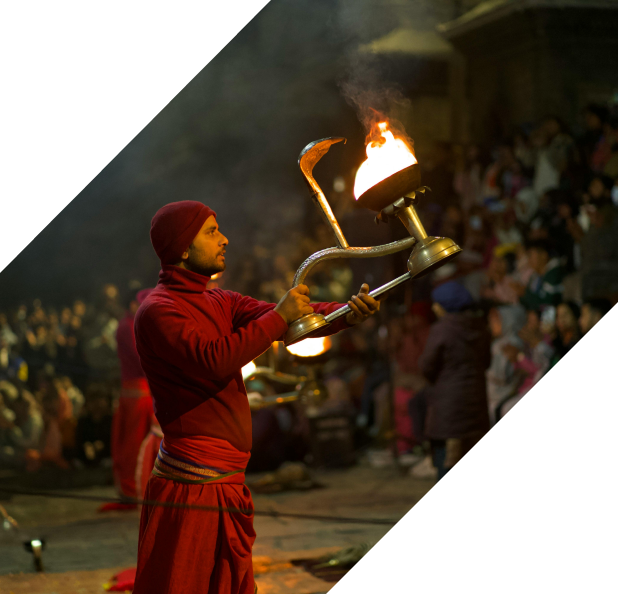
Bagmati Aarti
Usually around 6:30 PM
Festival days can extend or compress the normal pattern. Check live notices before a time-sensitive visit.
Dress Code and Entry Rules
Respectful clothing and clear access expectations make the visit smoother for you and less disruptive for active worship.
Dress Code
Wear modest clothing.
Avoid shorts, sleeveless tops, or anything that feels too casual for an active temple.
Use comfortable footwear that can be removed quickly near sacred areas.
Entry Restrictions
Main sanctum access is reserved for practicing Hindus.
Non-eligible visitors should use designated outer viewing areas instead of inner queues.
Follow the current instructions from temple staff and security.
How to Reach Pashupatinath Temple
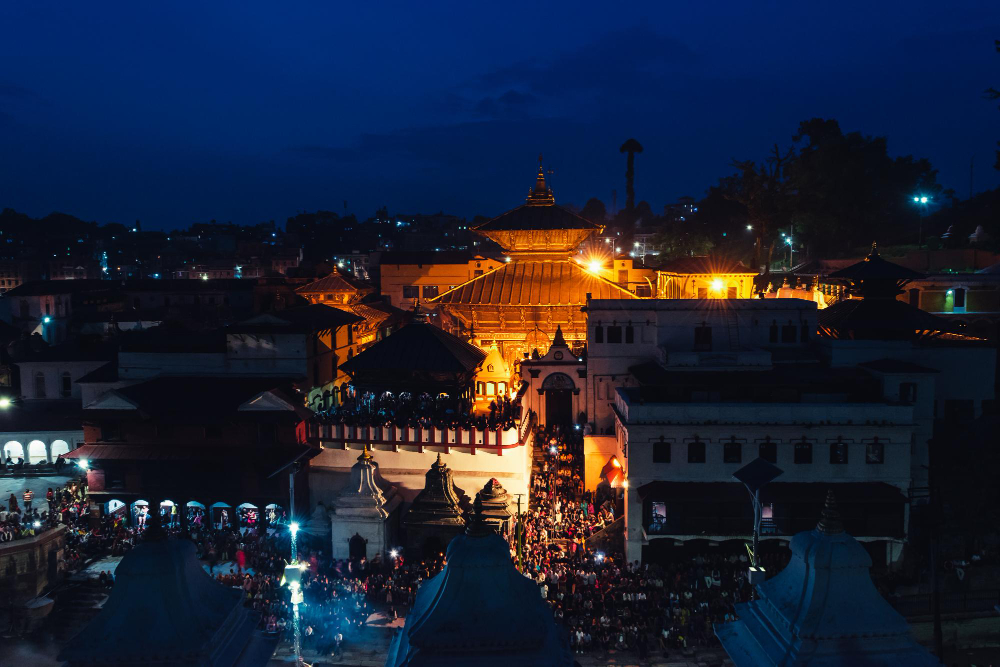
Pashupatinath Temple is in Kathmandu and sits close to major arrival points, especially the airport.
From Tribhuvan International Airport
Distance: Approximately 3-5 km
Travel time: 15-25 minutes depending on traffic
Transport Options
Taxi is usually the simplest first-visit option.
Ride-sharing apps may be available depending on your arrival setup.
Local buses are possible, but they are less direct and usually involve extra walking.
Entry and Access Information
Access to the temple complex depends on where you are going and what type of visit you are planning.
Before You Queue

Expect security checks and occasional route changes at the main approach.
Ask about the active queue before moving deeper into the busiest circulation zones.
Outer Complex Access
Visitors can explore courtyards, ghats, and many surrounding shrines without joining every inner queue.
Observation points are often a better first stop than the busiest temple approach.
Restricted Areas
Main sanctum access is reserved for practicing Hindus.
Certain ritual zones may close temporarily during ceremonies or crowd control periods.
Accessibility and
Visitor Support
This section is about route difficulty, physical pacing, and support needs before you enter the busiest parts of the temple complex.
Mobility and walking conditions
Expect uneven stone paths, steps near ghats, and route changes during crowded periods.
Supportive footwear matters even if you will later remove it near sacred areas.
Visitors who need the least demanding path should ask for it before entering deeper zones.
On-site support
Staffed counters can point visitors toward calmer circulation routes and rest pauses.
Lost-and-found, security, and elder support questions are best handled in person on site.
Festival days reduce flexibility, so support needs should be mentioned early.
Planning advice
Regular mornings are usually easier than festival peaks for visitors who want more space and less noise.
Carry only essentials and keep the visit plan simple if anyone in the group needs extra support.
Use the contact and services pages as orientation tools, but rely on the nearest staffed point once you arrive.
Timings, access routes, and festival conditions can shift. Use the notices page before travel if your schedule is tight.
See live notices and access updates