 Donate
Rituals and Worship at Pashupatinath Temple
Introduction
Rituals and worship are the core of daily life at Pashupatinath Temple. Priests, pilgrims, and local devotees move through a structured rhythm of darshan, offerings, prayer, and evening worship dedicated to Lord Shiva.
Unlike a heritage site that is only observed from a distance, Pashupatinath is active throughout the day. Morning darshan, recurring offerings, river-side ritual life, and the Bagmati Aarti all shape how the temple is experienced.
This guide explains what rituals take place, how visitors usually observe them, and what respectful participation looks like in practice.
Daily Ritual Schedule
The temple follows a daily rhythm of worship that begins early in the morning and continues into the evening.
Morning Darshan
Begins around 4:00 AM
Priests perform early morning rituals and offerings
Devotees line up for darshan (viewing of the deity)
Atmosphere is calm, quiet, and deeply spiritual
Evening Worship & Aarti
Evening rituals begin after the temple reopens
The highlight is the Bagmati Aarti
Devotional chants, lamps, and offerings create a powerful experience
Tip: Morning is best for peaceful darshan, while evening offers a more vibrant devotional setting.
BagmatiAarti
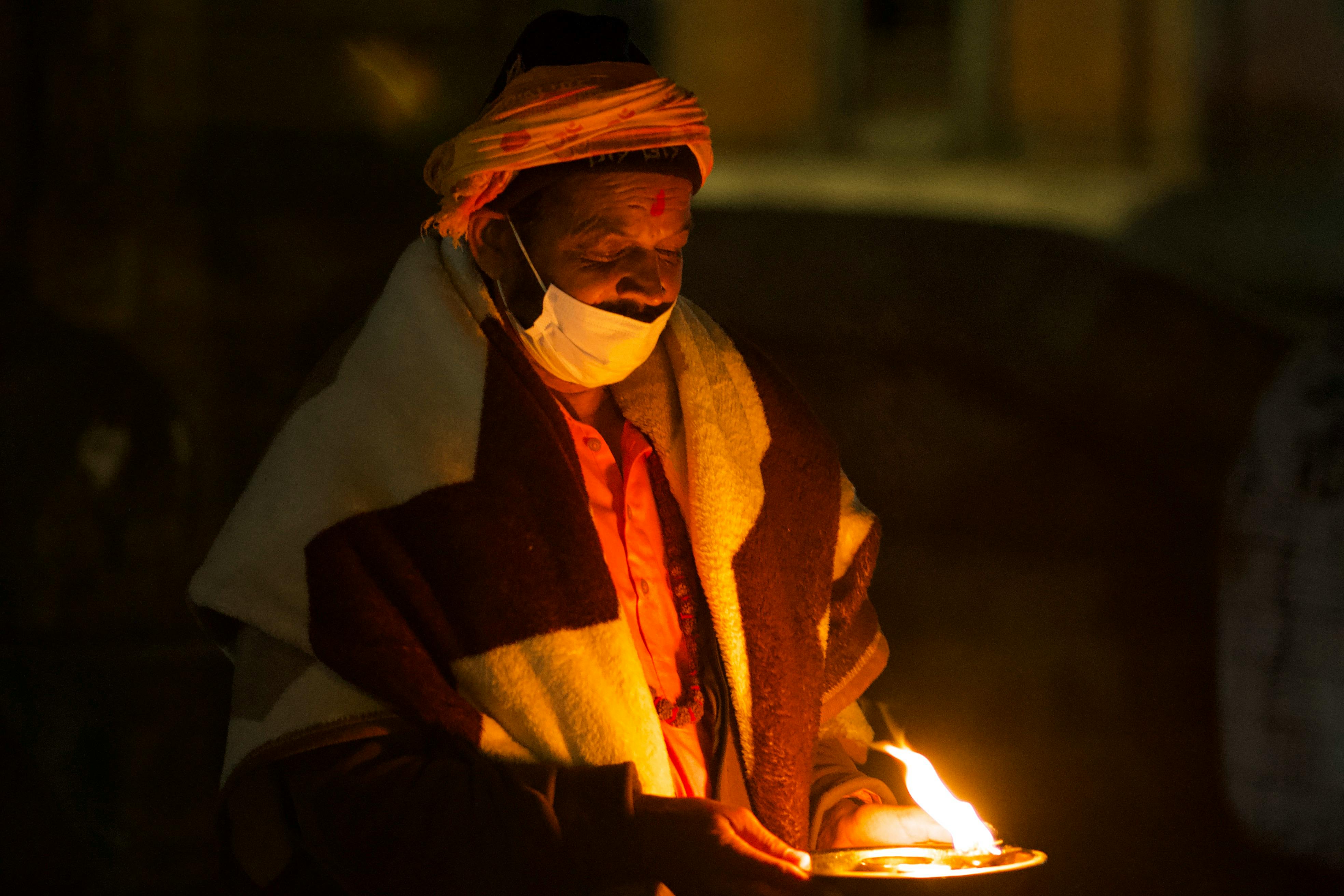
The Bagmati Aarti is one of the most important daily rituals performed at Pashupatinath Temple.
Where to Stand

Opposite side of the ghats for a wider view
Designated viewing areas near the river
Arrive early to find a comfortable spot
Timing
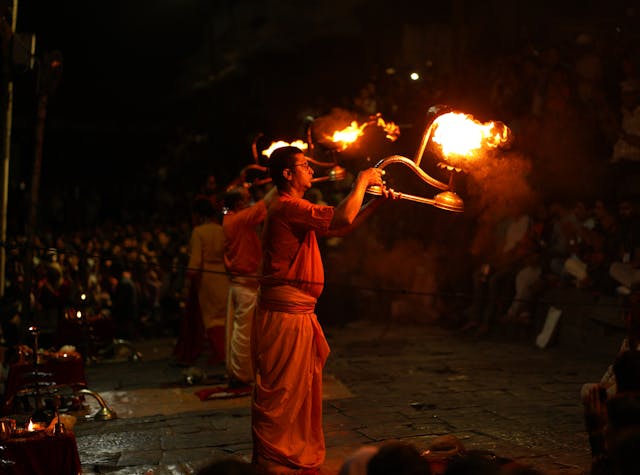
Usually around 6:30 PM
May vary slightly depending on season and conditions
The Experience
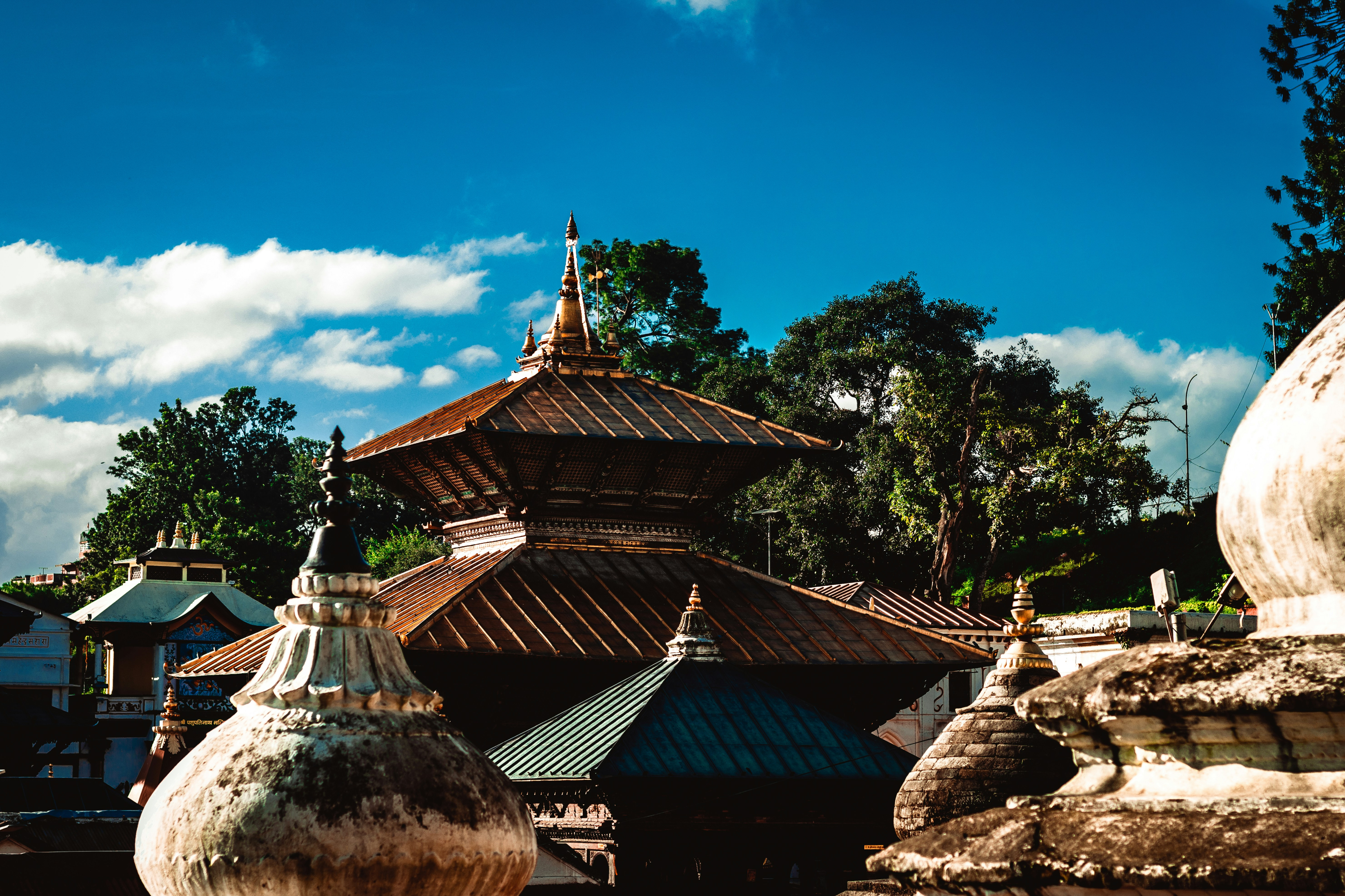
Priests perform synchronized rituals with oil lamps
Devotional songs and chants fill the atmosphere
The riverfront becomes a focal point of spiritual gathering
Common Rituals & Offerings
Several rituals are performed daily by priests and devotees.
Rudra Abhishek
A sacred ritual dedicated to Lord Shiva
Involves pouring water, milk, and other offerings over the Shiva linga
Often performed for blessings, peace, and spiritual well-being
General Offerings
Flowers, incense, and lamps
Fruits and prasad
Donations made at temple counters
Personal Prayers
Devotees offer prayers individually or with priests
Can be simple or part of organized rituals
How to Participate in Rituals
Visitors can take part in selected rituals, but the process should always run through official temple channels.
Official Counters

Use temple-authorized counters for bookings, offerings, and priest-guided rituals.
Avoid unofficial intermediaries who approach you outside the formal process.
What to Bring
Simple offerings if you want them, rather than large or difficult-to-carry items.
Modest clothing and only the essentials you need for the ritual window.
During the Ritual
Follow the priest's instructions closely and keep movement calm during worship.
If you are observing rather than participating, give ritual space to those actively involved.
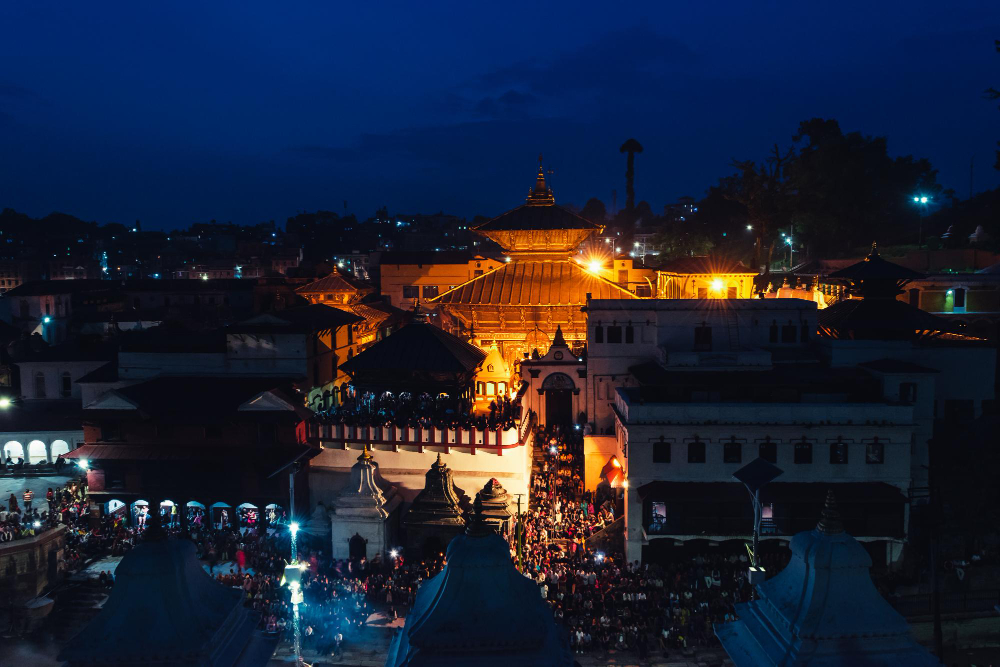
Ritual
Participation Guidelines
The aim here is not only respect in theory. It is practical ritual behavior that helps the ceremony continue without disruption.
If you are observing
Choose a stable viewing point and avoid crossing in front of active worship.
Keep voices low and let ritual participants move without interruption.
Treat the space as a living ceremony, not a staged performance.
If you are participating
Use authorized counters for bookings, offerings, and priest-guided rituals.
Follow the priest's timing and instructions rather than improvising the process.
Carry only the items you need so you can move cleanly through the ritual space.
Around the Bagmati ghats
Do not photograph cremation rituals or intrude on families in mourning.
Stand back when staff or priests need to clear the edge for movement.
Expect the river-side atmosphere to change quickly during evening worship or peak observances.
Ritual timings, access routes, and observation areas can shift with crowd levels and festival conditions.
See live notices and timing changes